
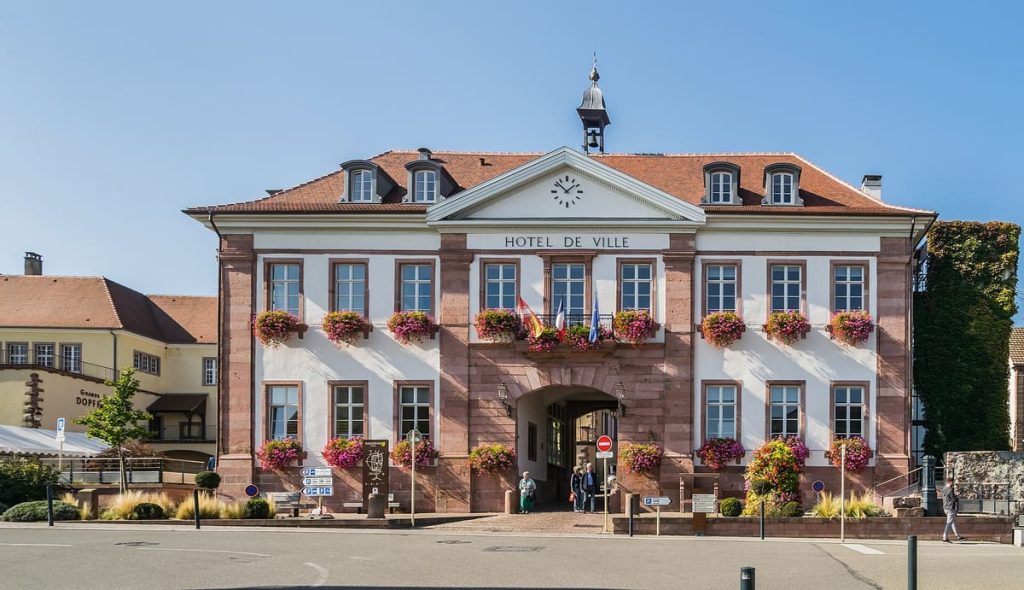
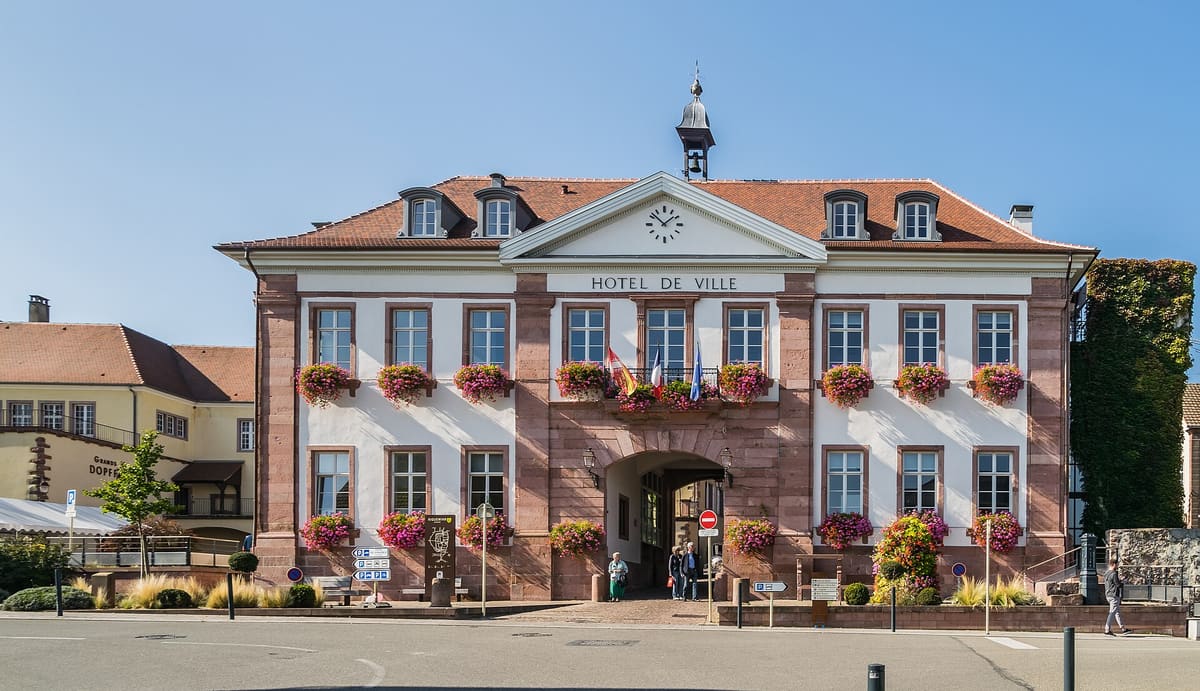
Christmas Markets in France
Paris in December is lovely. But if you are flying to France for the Christmas markets, Paris is not where you should be going — and the region that should be at the top of your list is one most first-time visitors have never seriously considered.
Almost every French city puts up wooden chalets in December now. Most sell the same mulled wine and the same machine-made ornaments, and most have existed for about fifteen years. There is nothing wrong with that, but it is not worth crossing an ocean for.
One region is different. In Alsace, the Christmas market is not a seasonal event bolted onto a city — it is something the region has been doing since 1570, in villages that look the part for the other eleven months of the year too.
In this guide
Where the Alsace markets are
Everything in this guide sits within an hour of everything else, between Strasbourg in the north and Colmar in the south. That compactness is the reason Alsace works so well in December: you unpack once.
Why Alsace, and not Paris
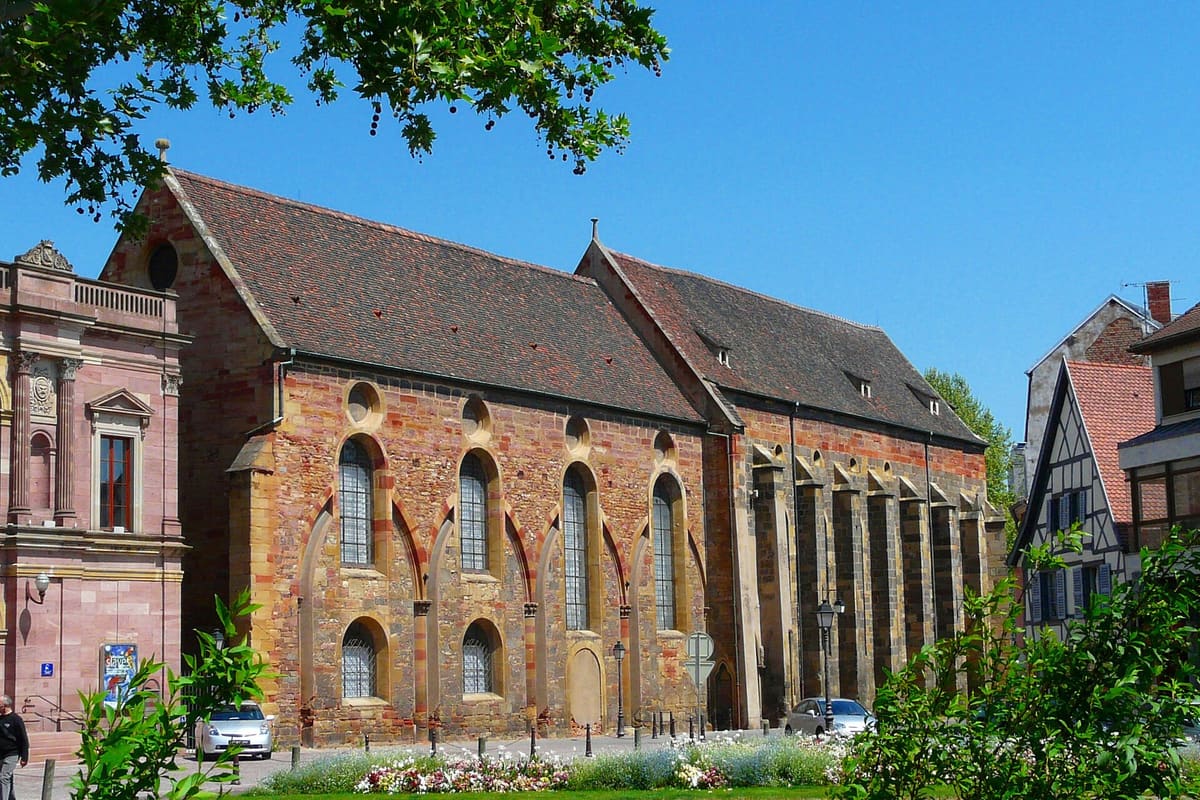
Alsace spent centuries passing between France and Germany, and it kept the best of both. Half-timbered houses, Riesling and Gewurztraminer, and the German Christmas traditions — the Christkindelsmärik, the biscuits, the advent calendars on the house fronts — served with French food.
It also matters that Alsace is compact. Strasbourg to Colmar is forty minutes by train, and the wine villages are strung along a single road between them. In December, when it gets dark at half past four, that is worth a great deal.
Paris, by comparison, has markets that are pleasant and entirely skippable. If you are already going to Paris, see them. Do not build a trip around them.
The 5 christmas markets in France worth planning around
Strasbourg — the oldest, and the biggest
Running since 1570, spread across a dozen squares in a city centre that is an island. The cathedral square holds the main market; Place Broglie is the original one. Give it a full day and an evening — the lights are the point, and they only work after dark.
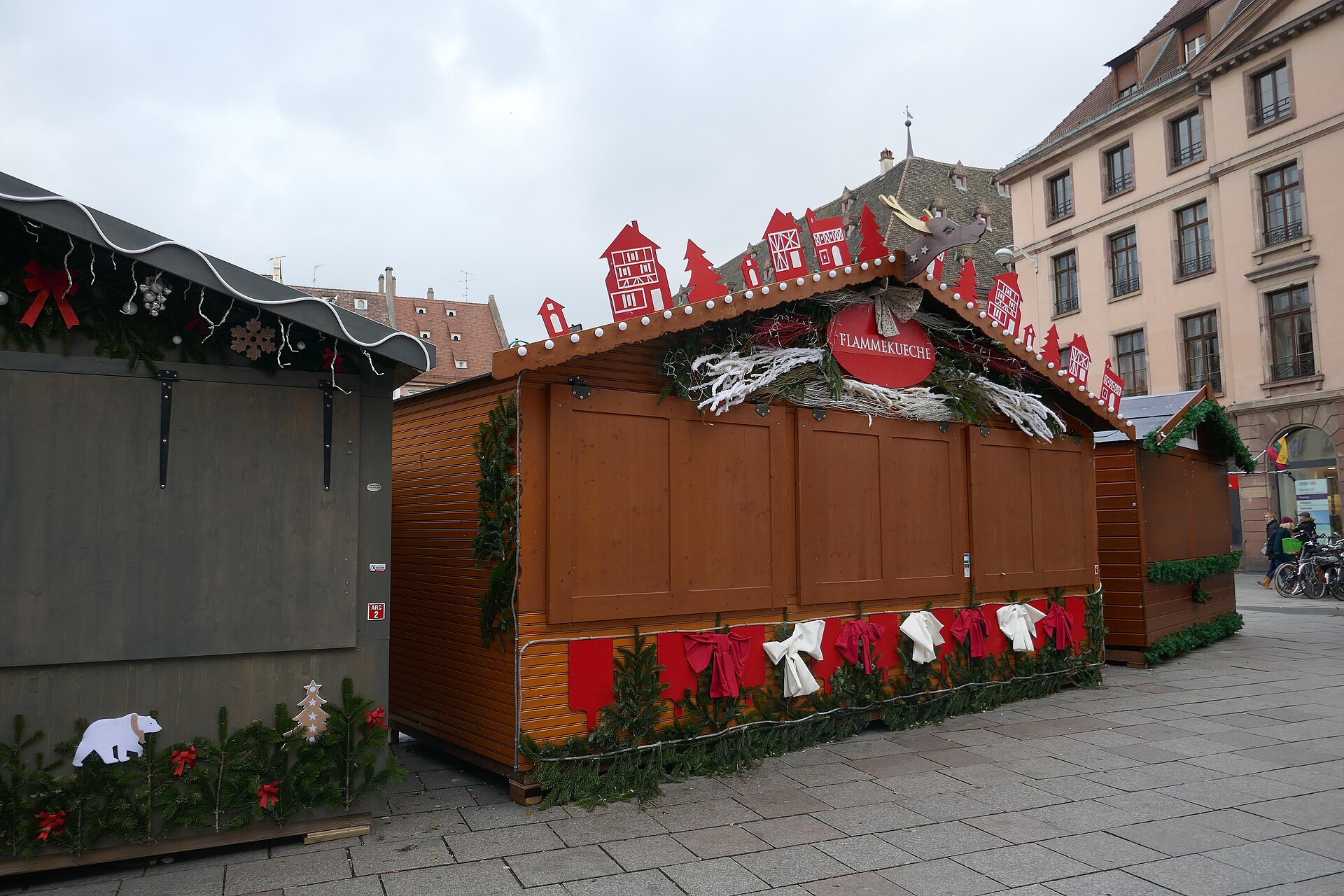
It is also the busiest by a wide margin. Weekends in December are shoulder-to-shoulder. Go midweek if you possibly can.
Colmar — the prettiest
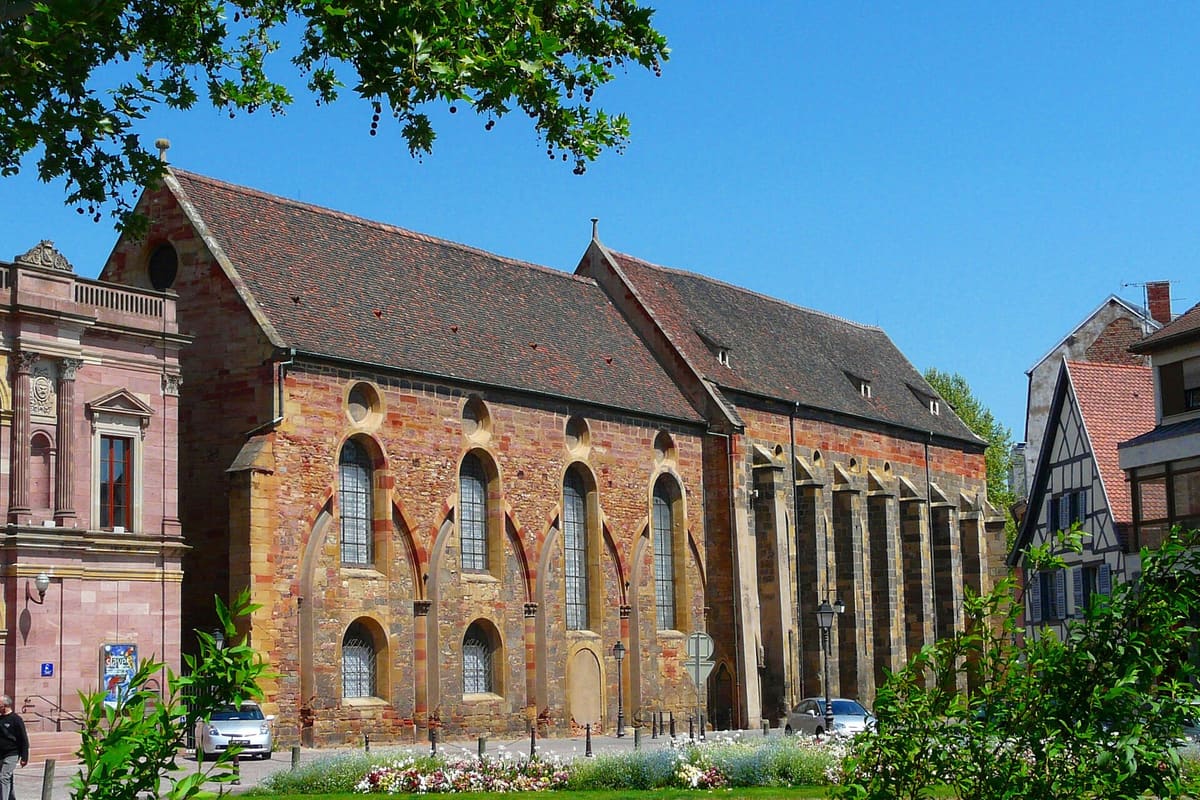
Colmar is where the photographs come from. The old town is built along canals in a quarter called La Petite Venise — improbably pretty, and yes, it really does look like that. Six separate markets across the centre, all walkable.
If you only have time for one Alsace market, make it this one. Two hours does it justice in daylight; stay for the evening if you can.
Riquewihr — the smallest and most atmospheric
A walled wine village that the wars somehow missed, entirely intact inside its ramparts. The market is small — a few dozen chalets along one main street — and that is exactly its appeal after the crush of Strasbourg.
Best in the hour before the shops open, when the village is yours and the lights are still on. Ninety minutes is enough.
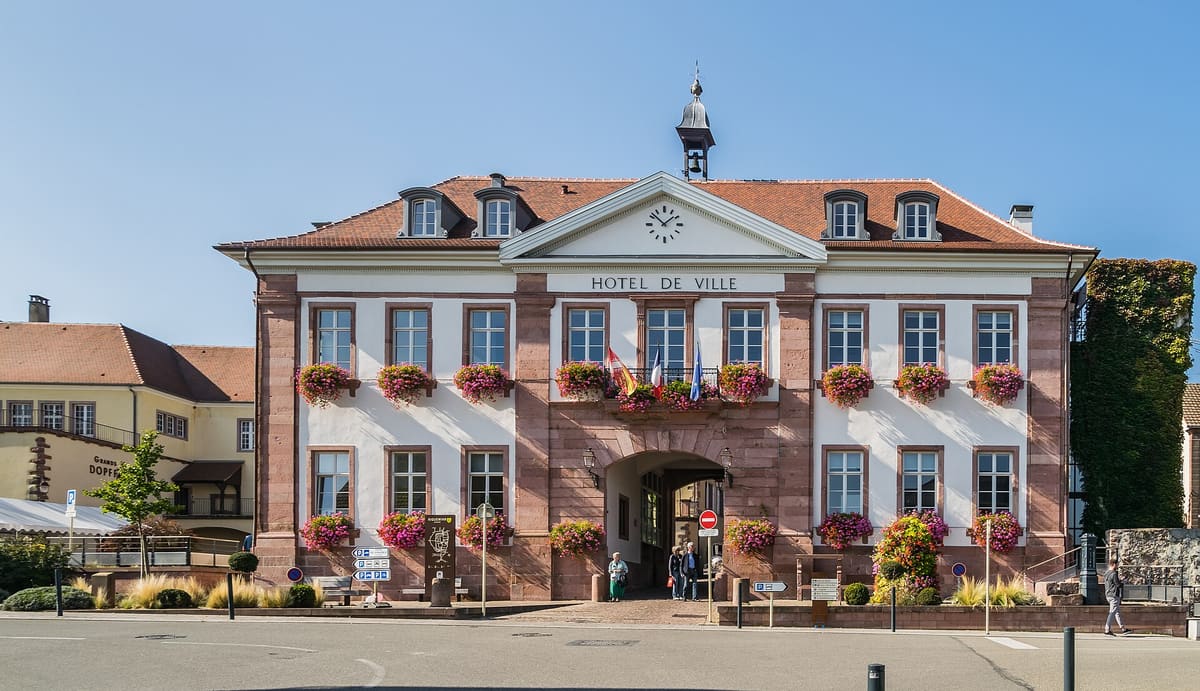
Kaysersberg — the one the French vote for
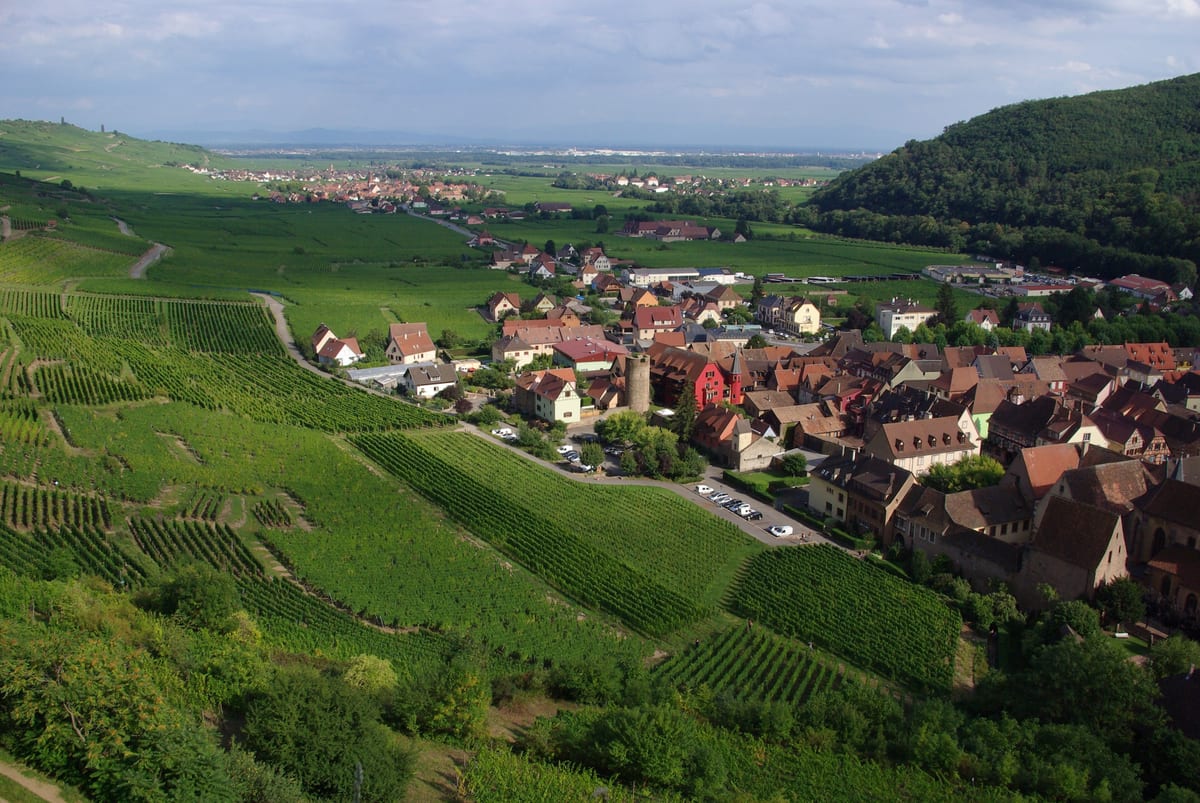
Regularly voted France’s favourite village, with a market held in the courtyards and cellars of the old houses rather than on a square. Smaller crowds than Colmar and a noticeably more local feel. Half a day, combined with Riquewihr.
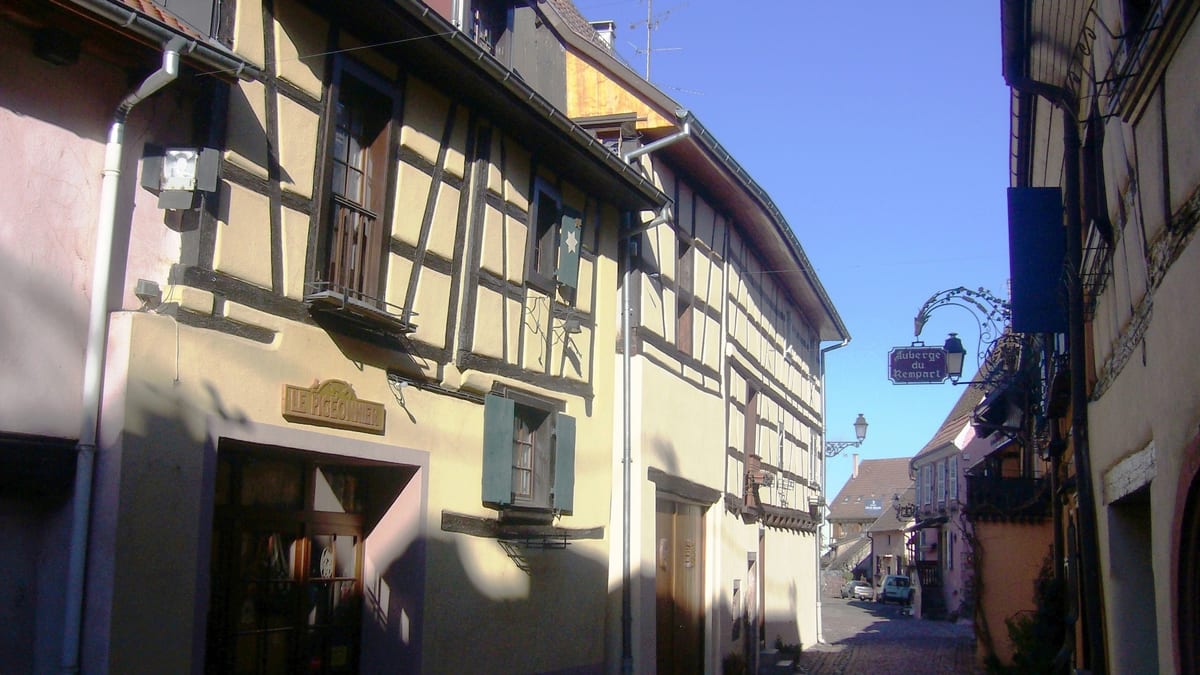
Eguisheim — the one built in circles
Laid out as concentric rings around a central château, which makes wandering it genuinely disorienting in the best way. The market is modest; the setting is not. An hour, on the way between Colmar and the wine route.
Want to map this out for your own dates? Build it in the free planner →
The wine route in December
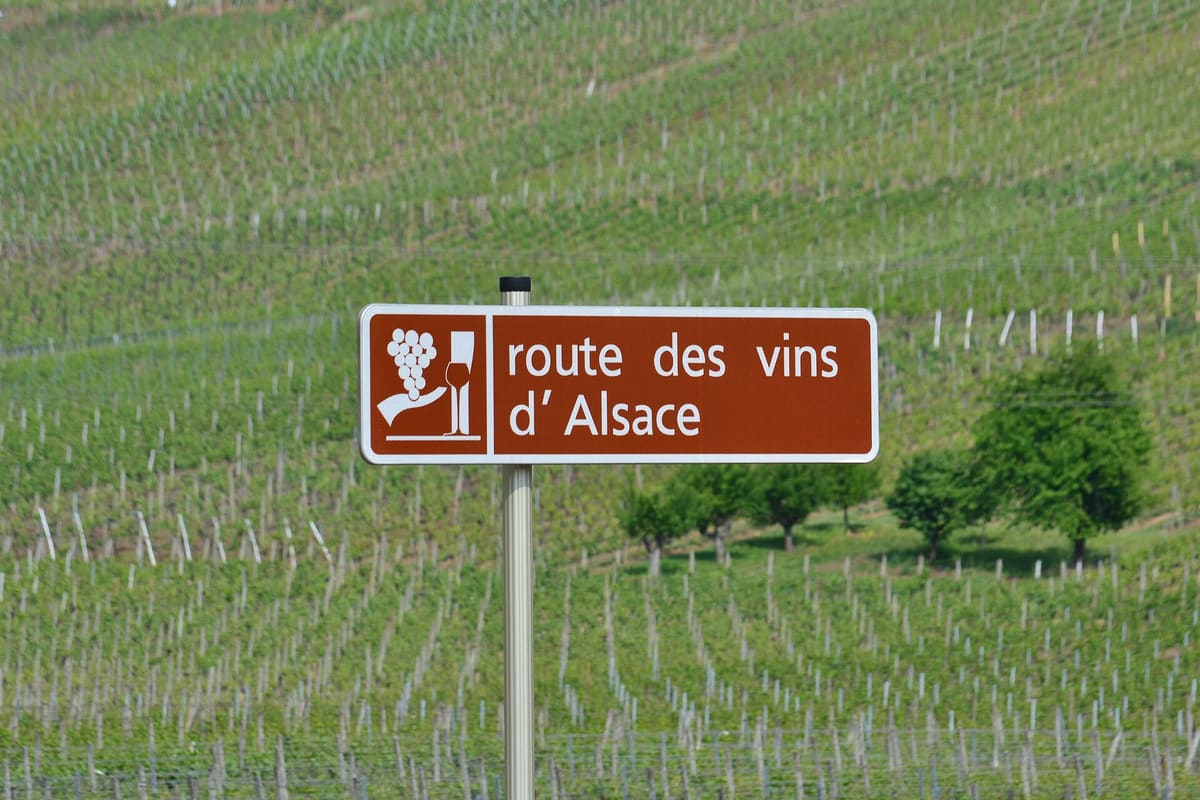
The Alsace Wine Route runs 170 kilometres from Marlenheim to Thann, linking the villages along a single road through the vineyards. In summer it is the region’s main attraction. In December it is quieter and, to my mind, better.
The vines are bare and the light is low, so you see the shape of the land instead of the leaves. The tasting rooms are empty, which means the person pouring has time to talk to you.
Do not drive it after dark — the road is narrow, unlit between villages, and the point is the view.
Three more, outside Alsace
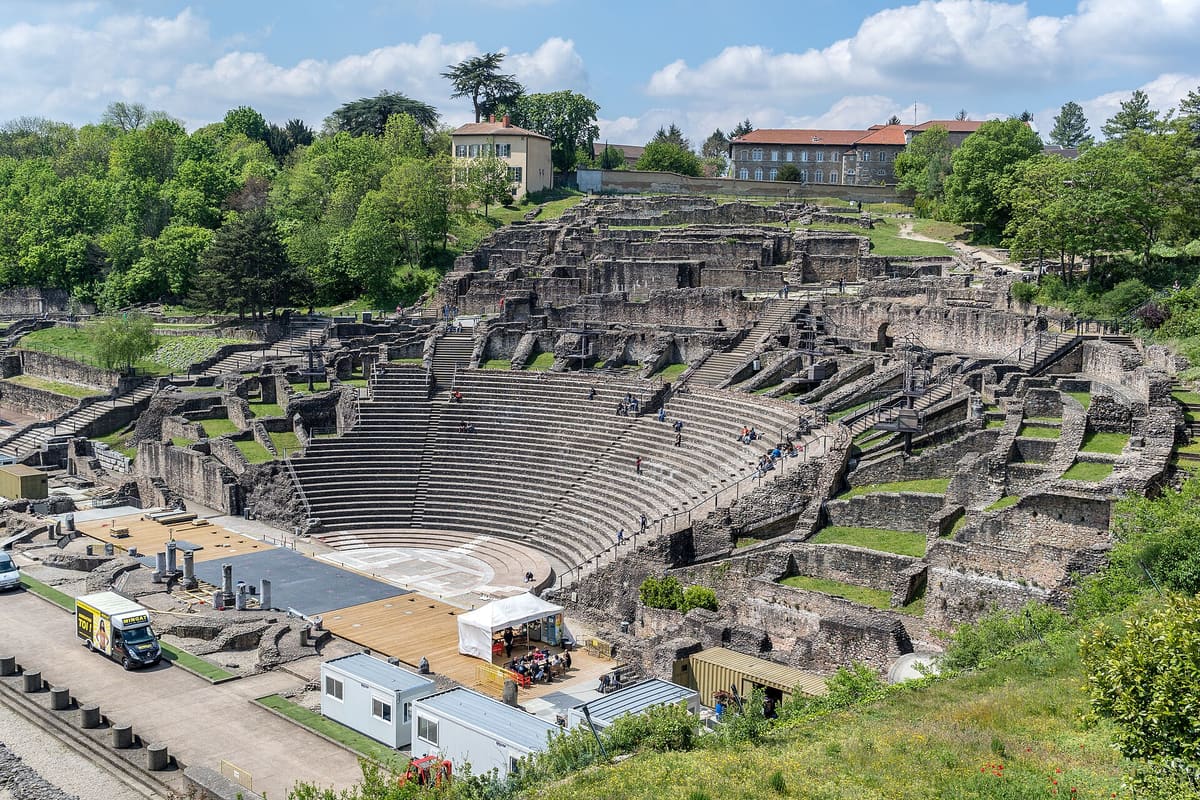
Lyon — the Festival of Lights
For four nights around 8 December, Lyon turns its buildings, bridges and riverbanks into light installations, and the whole city walks around looking up. It is free, it is extraordinary, and it is the single best December event in France.
There is a Christmas market too, but it is not why you go. Come for the Fête des Lumières and stay for the food — Les Halles de Lyon Paul Bocuse is where the city feeds itself. Oysters, quenelles and Saint-Marcellin, eaten standing at a counter.
Book accommodation for those four nights months ahead. Everyone in the region comes.
Provence — santons, and the thirteen desserts
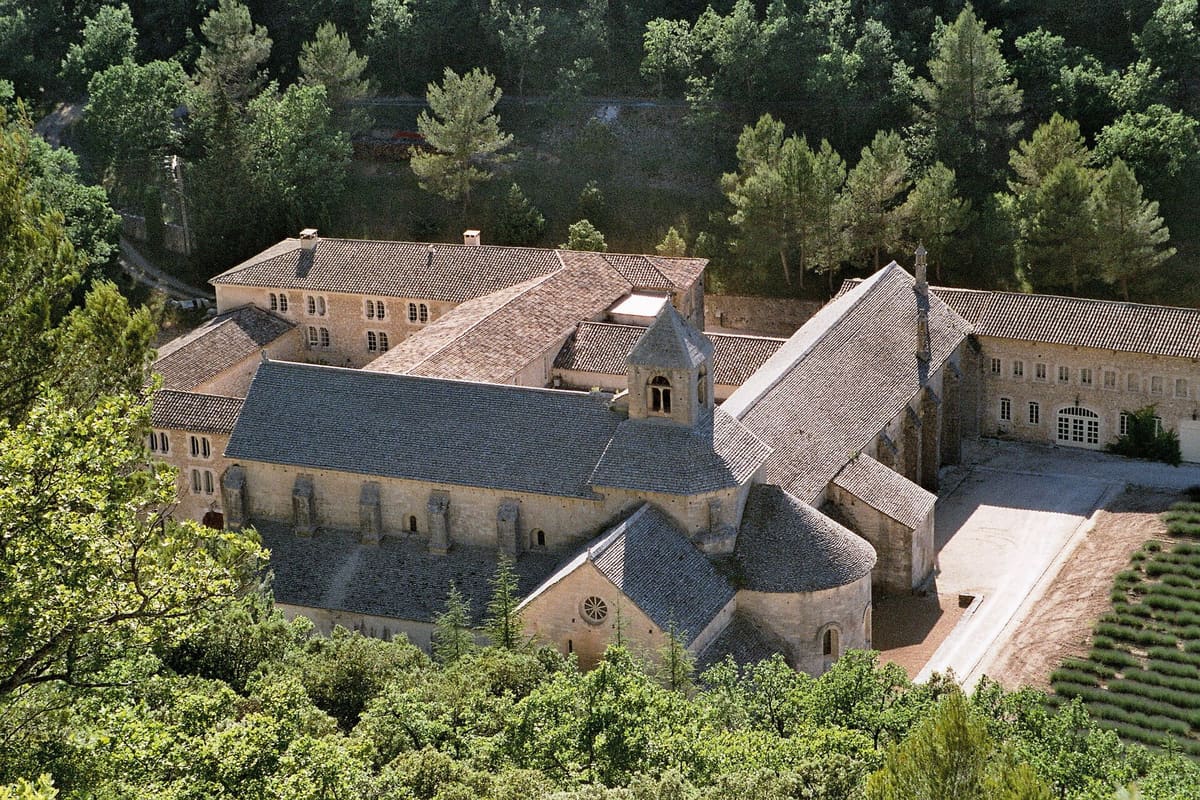
Provence does Christmas its own way, and almost nobody outside France knows about it. The markets sell santons — hand-painted clay figures for the nativity scene, which in Provence includes the whole village: the baker, the fishwife, the drunk. Aix-en-Provence and Marseille hold the biggest santon fairs.
It is also warmer and far less crowded than Alsace.
Paris — honestly
The Tuileries market is a funfair with chalets. La Défense is the largest and feels like it. The one in the Jardin des Plantes is the most charming.
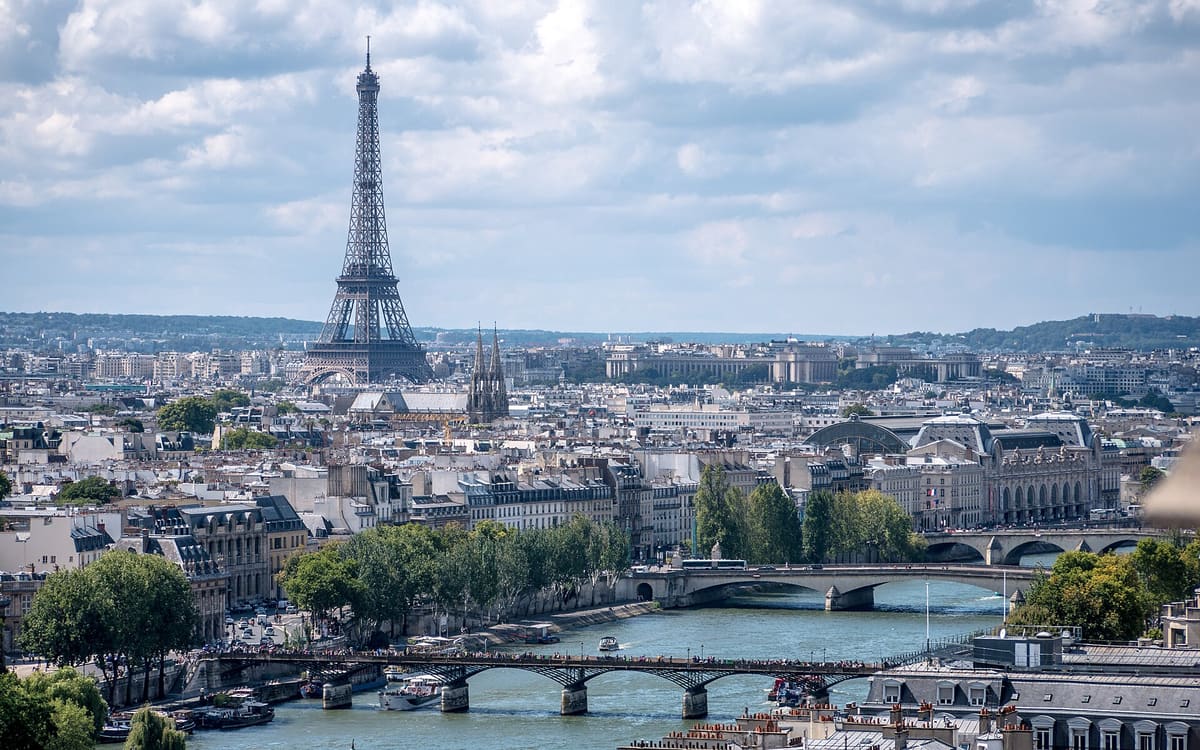
None justifies the trip on its own. Paris in December is worth it for the department store windows, the empty museums and the light at four in the afternoon — not for the markets.
How to plan it without freezing or queueing
When to go
Most Alsace markets open the last weekend of November and close on 24 December. Some village markets run weekends only. Dates shift slightly each year, so confirm the ones you are building around before booking.
The first two weeks of December are the sweet spot: everything open, crowds not yet peaked, accommodation still findable.
Weekday, always
The single most useful thing in this guide. A Tuesday in Colmar and a Saturday in Colmar are not the same trip. Weekends bring day-trippers from Germany and Switzerland by the coachload.
Getting around
- Strasbourg and Colmar — train. Direct TGV from Paris to Strasbourg in under two hours, then forty minutes on to Colmar.
- The wine villages — you need a car. Riquewihr, Kaysersberg and Eguisheim are not practically reachable by public transport in winter.
- Lyon — train, and do not attempt to drive. The centre is closed to traffic during the festival.
Where to base yourself
Colmar, for most people — central to the wine route, small enough to walk, and pretty enough that coming back each evening is part of the pleasure. Strasbourg suits you better if you are arriving by train and not renting a car.
What you will eat
- Vin chaud — mulled wine, in a ceramic mug you pay a deposit on and may keep. Alsace uses white as often as red.
- Bredele — the small spiced biscuits Alsatian families bake by the tin. Every stall has a different recipe and they are all correct.
- Flammekueche — a thin tart of cream, onion and bacon from a wood oven. The best thing to eat standing in the cold.
- Choucroute — slow-cooked with Riesling and several kinds of pork. Enormous.
- Mannele — a little brioche man, baked for Saint Nicolas on 6 December.
One practical note: most market food stalls take cash only, and the queue for the cash machine in Colmar on a December Saturday is its own kind of memory.
A realistic four-day plan
- Day 1 — Arrive Strasbourg. Old town in the afternoon, markets after dark.
- Day 2 — Train to Colmar. La Petite Venise, the six markets, the evening lights.
- Day 3 — Car for the day: Riquewihr in the morning, Kaysersberg for lunch, Eguisheim before dark.
- Day 4 — The wine route proper, or a second slower day in Colmar.
Add two nights in Lyon at the start if your dates fall near 8 December.
Common questions
Are the Christmas markets in France worth a trip on their own?
The Alsace ones, yes — they are the reason to come, not an addition to something else. Elsewhere in France, treat them as a bonus on a trip you were making anyway.
When do the Christmas markets in France open and close?
Most open the last weekend of November and close on 24 December. Some village markets run weekends only, and a handful close on the 23rd. Confirm exact dates before booking flights.
Do I need a car for the Alsace Christmas markets?
Not for Strasbourg and Colmar — the train handles both easily. You do need one for the wine villages, which are not realistically reachable by public transport in winter.
How cold does it get?
Regularly below freezing in the evening, occasionally with snow. Proper boots matter more than a heavy coat: the cobbles are uneven, often wet, and you will be standing still a good deal.
Is Colmar or Strasbourg the better base?
Colmar for most people: smaller, prettier, central to the wine route and walkable end to end. Strasbourg if you are arriving by train and want a city in the evenings.
How many days do I need?
Four is comfortable for Alsace alone. Six if you want to add Lyon for the Festival of Lights.
Ready to plan your own December in France?
The hard part is not choosing the markets — it is working out how many you can realistically fit into the days you have, and in what order, when it gets dark at half past four.
Keep reading
- Alsace Itinerary: Colmar, Strasbourg and the Wine Route
- France in Winter: Where to Go and What It Is Really Like
- When to Visit France: A Month-by-Month Guide
Official information and opening times: Visit Alsace.
Free planner
Planning this trip yourself?
Lay out your days, drag in the places worth your time, and see straight away when a day is trying to hold too much. Free, and you don’t need an account to start.

Madison Laffont
Travel planner · Journeasy France
I have lived all over France — I moved my whole life, and every corner of it turned out to be its own place. Travelling once, I met people who were only going to see Paris, and I felt frustrated on their behalf. There is so much more. That is where Journeasy France came from.