
Car vs. Train in France: How to Choose the Perfect Way to Travel
Plan Your Trip
- First Time in France
- Travel Tips
Itineraries
- France Itineraries
- France Road Trips
Destinations
- Regions of France
- Hidden Gems
Planning a trip to France and unsure whether to rent a car or take the train? Discover the pros, cons, costs, official links, and insider tips from a local travel planner to build your ideal French itinerary.
Both options offer incredible travel experiences, but choosing the wrong mode of transportation can turn a dream vacation into a logistical headache. Whether you are navigating tight medieval village streets or catching early morning rail connections, matching your transit method to your specific itinerary is essential.
Below is the ultimate guide to choosing between a car and a train for your journey across France, complete with official booking channels, cost comparisons, and a bonus breakdown of Paris airport transfers.
In this guide
Quick Comparison: Train vs. Car at a Glance
| Feature | 🚅 Taking the Train (SNCF & TGV) | 🚗 Renting a Car |
|---|---|---|
| Best For | City-hopping, long-distance journeys, solo travelers & couples | Rural regions, multi-stop road trips, families with heavy luggage |
| Primary Advantage | High speed, no parking stress, central station drop-offs | Complete flexibility, access to hidden villages & scenic routes |
| Primary Drawback | Fixed timetables, limited reach in remote countryside | Traffic, toll fees (péages), expensive urban parking |
| Pacing | Fast transit between major hubs | Relaxed, spontaneous exploration |
Travelling by Train in France: Fast, Efficient, and Relaxing
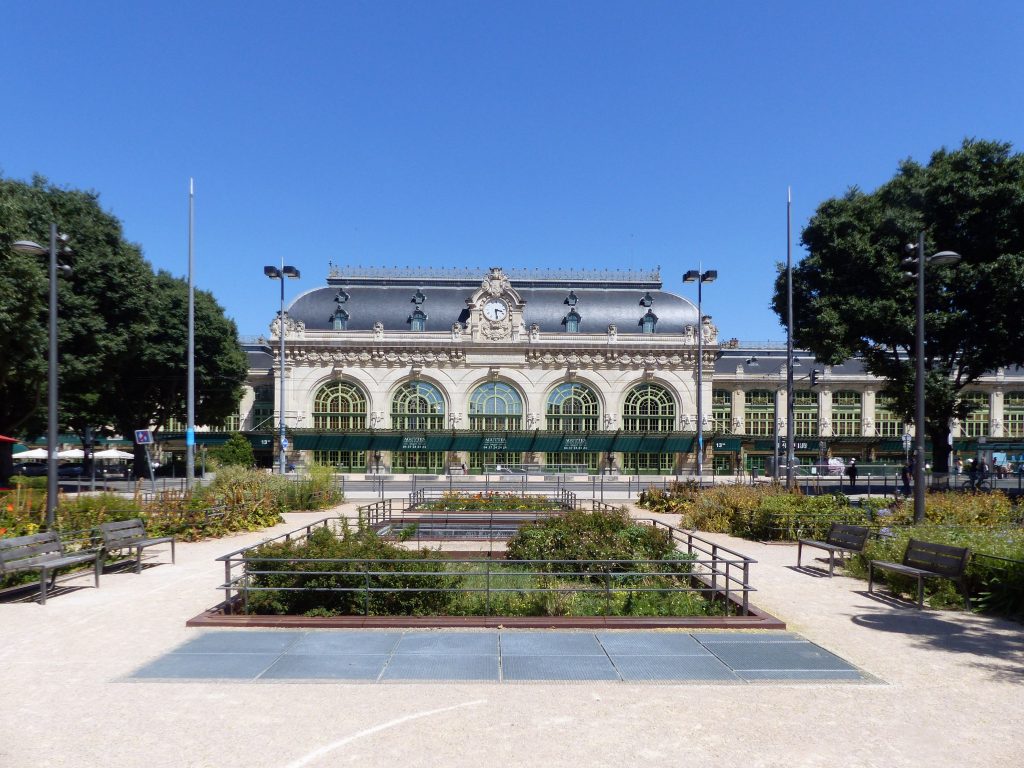
France boasts one of the most advanced high-speed rail networks in the world. The TGV INOUI and OUIGO trains operated by SNCF connect major cities at speeds of up to 320 km/h (200 mph).
Paris ➔ Bordeaux: 2 hours 04 minutes
Paris ➔ Lyon: 1 hour 57 minutes
Paris ➔ Marseille: 3 hours 15 minutes
When to Choose the Train
- City-to-City Itineraries: If your route focuses on major metropolitan hubs like Paris, Lyon, Bordeaux, Strasbourg, or Marseille, the train is faster and far cheaper than driving.
- Stress-Free Transit: You avoid navigating European roundabouts, paying motorway tolls, or searching for expensive parking garages in historic city centers.
- Eco-Friendly Travel: France’s electric rail network has one of the lowest carbon footprints per passenger-kilometer in Europe.
Essential Train Booking Tips & Official Links
To avoid inflated agency fees or third-party reseller scams, always book through official platforms:
- Official French Rail Booking: Use SNCF Connect to purchase tickets directly.
- International High-Speed Lines: For cross-border travel (e.g., London to Paris or Brussels to Paris), book directly via Eurostar.
- Booking Window: TGV tickets generally open 3 to 4 months in advance. Booking early secures the best rates (Prem’s fares).
Renting a Car in France: Freedom Off the Beaten Path
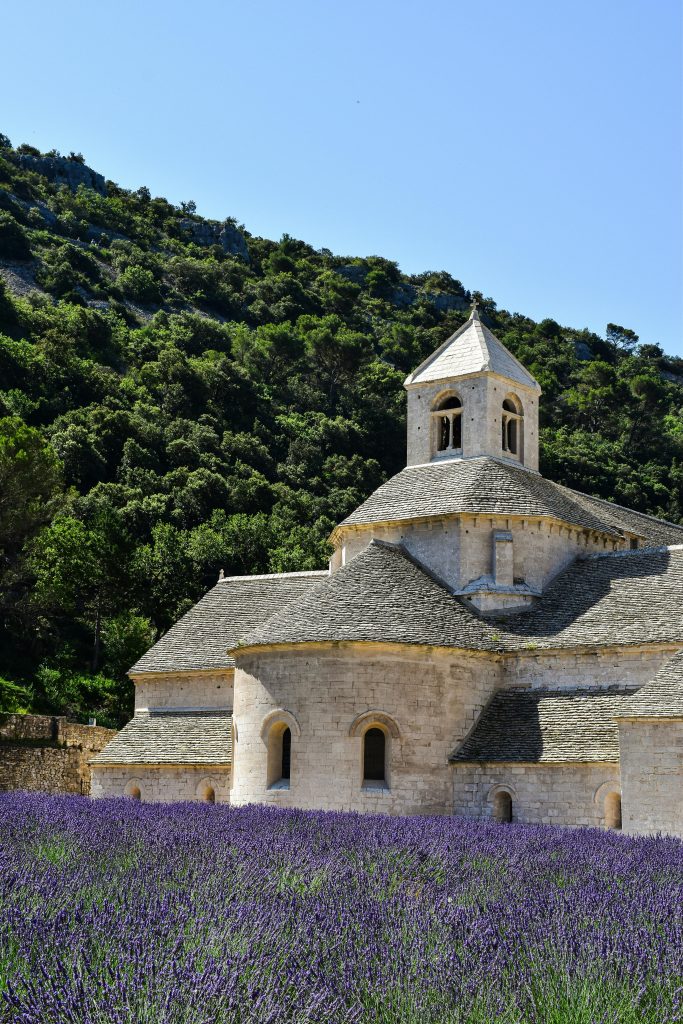
While high-speed trains excel at moving between big cities, they cannot take you to the lavender fields of Provence, the perched castles of the Dordogne, or the dramatic mountain passes of the Alps.
When to Rent a Car
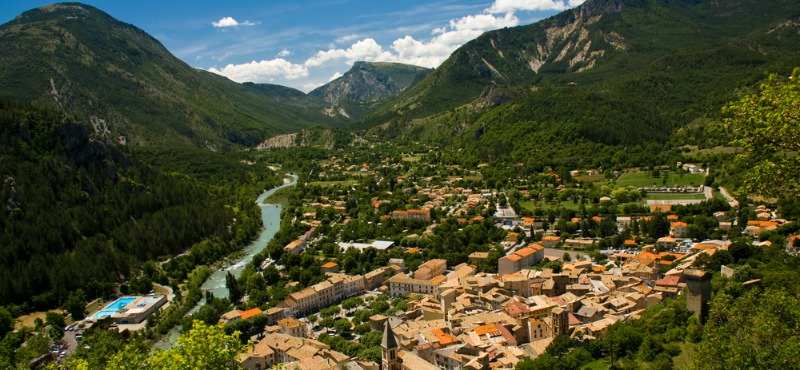
- Exploring Rural Regions: A car is indispensable if your dream trip involves countryside châteaux, coastal loops, wine tasting in small villages, or scenic drives like the historic Route Napoléon.
- Flexible Schedules: Stop whenever you spot an alluring local market, roadside viewpoint, or village square.
- Group or Family Travel: For families or groups of four, renting one vehicle is often more economical than buying multiple train tickets.
Driving Rules & Rental Essentials
- Automatic vs. Manual: While manual transmission has traditionally been the standard in Europe, automatic vehicles are becoming increasingly common in French rental fleets. However, you must still double-check the gearbox type carefully at the time of booking! Automatics often sell out faster and can carry a slight premium.
- Tolls (Péages): French highways (autoroutes) are toll roads. Most toll gates accept major international credit cards (Visa/Mastercard).
- International Driving Permit (IDP): If your license is not issued by an EU country, carry an IDP alongside your national driver’s license.
- Official Aggregators & Rental Brands: Book directly with major international suppliers like Avis, Hertz, Sixt, or Europcar.
Want to map this out for your own dates? Build it in the free planner →
The Hybrid Approach: Combining Train + Car
The secret to a seamless French itinerary often lies in combining both modes of transport:
- Take the TGV from Paris to a regional hub (e.g., Paris to Avignon or Paris to Bordeaux).
- Pick up your rental car directly at the TGV railway station.
- Explore the countryside for a few days by car.
- Drop the car off back at the regional station and take the high-speed train back to Paris.
This strategy saves hours of highway driving out of Paris while giving you total freedom once you reach your destination region.
BONUS: Navigating Paris Airport Transfers (CDG & Orly)
3. The Premium Way: Pre-Booked Private Drivers (VTC)
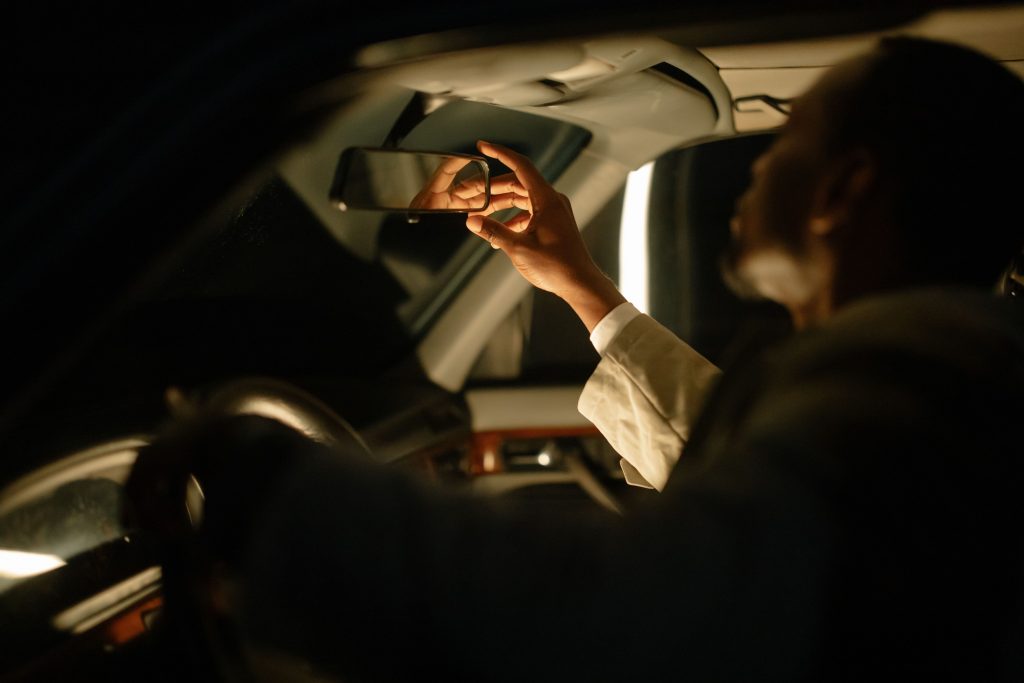
For ultimate peace of mind, many travelers choose to pre-book a private driver. While this is the most expensive option, having a professional driver waiting for you with a name sign in the arrivals hall—especially after a tiring red-eye flight—is a true luxury. Highly rated services include:
Blacklane : The go-to choice for premium, chauffeur-driven experiences in high-end vehicles.
Welcome Pickups : Very popular and highly rated for reliable, tourist-friendly airport transfers across Europe.
FAQ
Need Help Designing Your Perfect French Journey?
Free planner
Planning this trip yourself?
Lay out your days, drag in the places worth your time, and see straight away when a day is trying to hold too much. Free, and you don’t need an account to start.

Madison Laffont
Travel planner · Journeasy France
I have lived all over France — I moved my whole life, and every corner of it turned out to be its own place. Travelling once, I met people who were only going to see Paris, and I felt frustrated on their behalf. There is so much more. That is where Journeasy France came from.