
Alsace Itinerary
Alsace is the part of France that does not look like France — and it is small enough that five days will genuinely do it justice, which is rare in this country.
The region spent centuries changing hands between France and Germany, and it kept the useful half of each. The houses are half-timbered and painted in colours no French architect would have chosen. The wine is Riesling and Gewurztraminer, poured in tall green-stemmed glasses. And the food is the heaviest and best in France if you happen to be hungry in January.
What makes Alsace unusually easy to plan is distance. Strasbourg to Colmar is forty minutes by train. The wine villages sit along a single road between and below them. You can unpack once and still see a different village every day, which is not true of Provence, Normandy or anywhere else people put on a first itinerary.
In this guide
Where Alsace is, and how it fits together
Everything in this itinerary sits within an hour of everything else, between Strasbourg in the north and Colmar in the south. That compactness is why five days genuinely does the region justice.
The shape of a good alsace itinerary
Five days is the sweet spot. Here is the division that works, and why.
- Two days in Strasbourg — a real city, with a cathedral that deserves an afternoon on its own.
- Two days based in Colmar — smaller, prettier, and the right base for the villages.
- One day on the Wine Route — the drive itself, with tastings.
If you only have three days, cut Strasbourg to one and keep the rest. If you have seven, do not add a sixth village — add the Vosges mountains behind, or slow everything down.
Strasbourg, and what to give it
Strasbourg is a proper city with a European parliament attached, and most visitors see a third of it. The historic centre sits on an island in the Ill, which makes it self-contained and walkable.
The cathedral
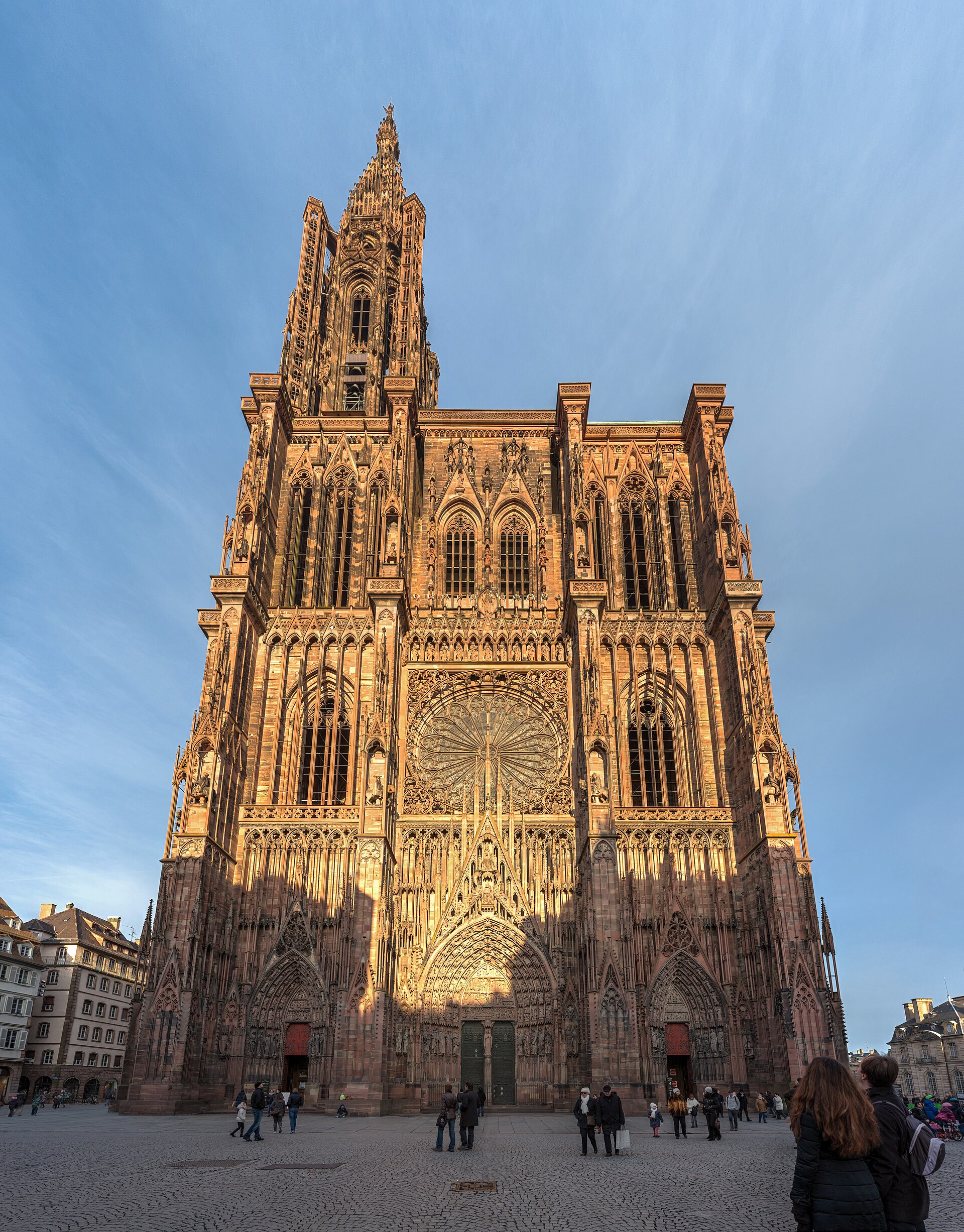
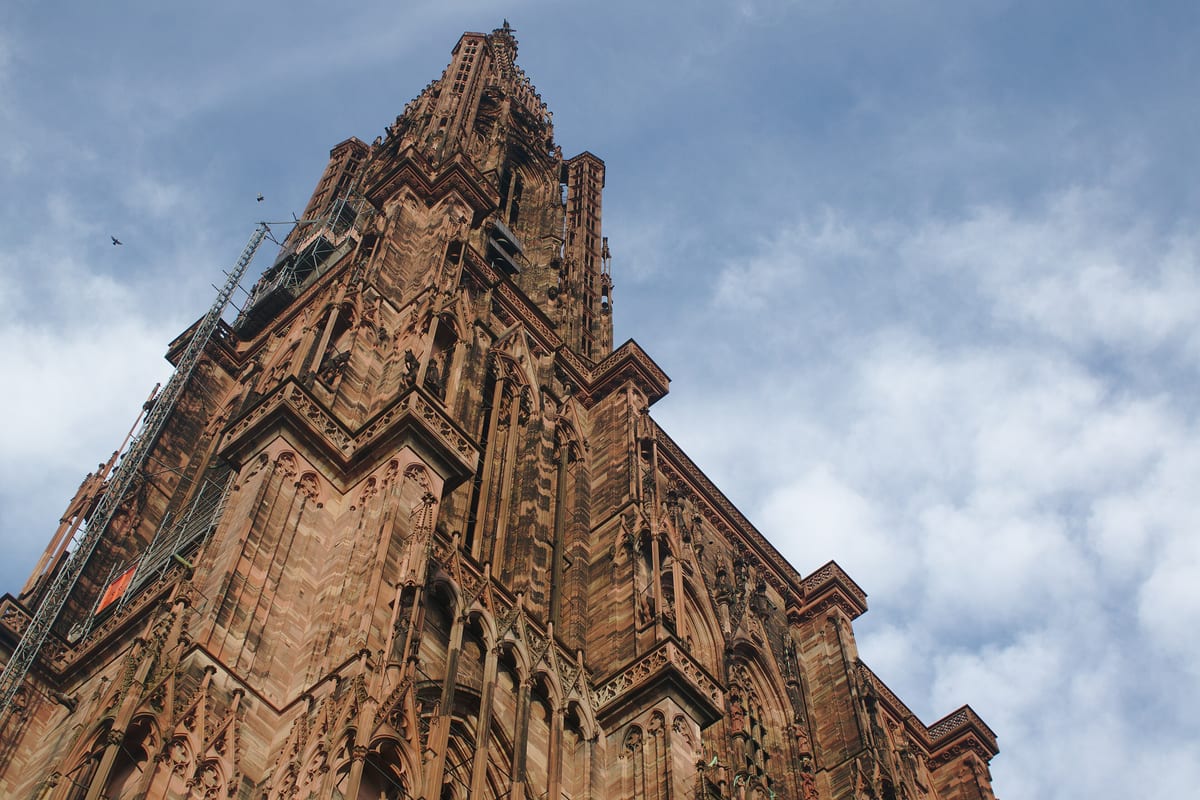
Sandstone, pink, and for two hundred years the tallest building in the world. Go inside for the astronomical clock — it performs at half past twelve — and then climb the 332 steps of the platform for the view across the Rhine plain to the Black Forest.
Go early. By eleven the nave is full of tour groups and the acoustic changes entirely.
La Petite France
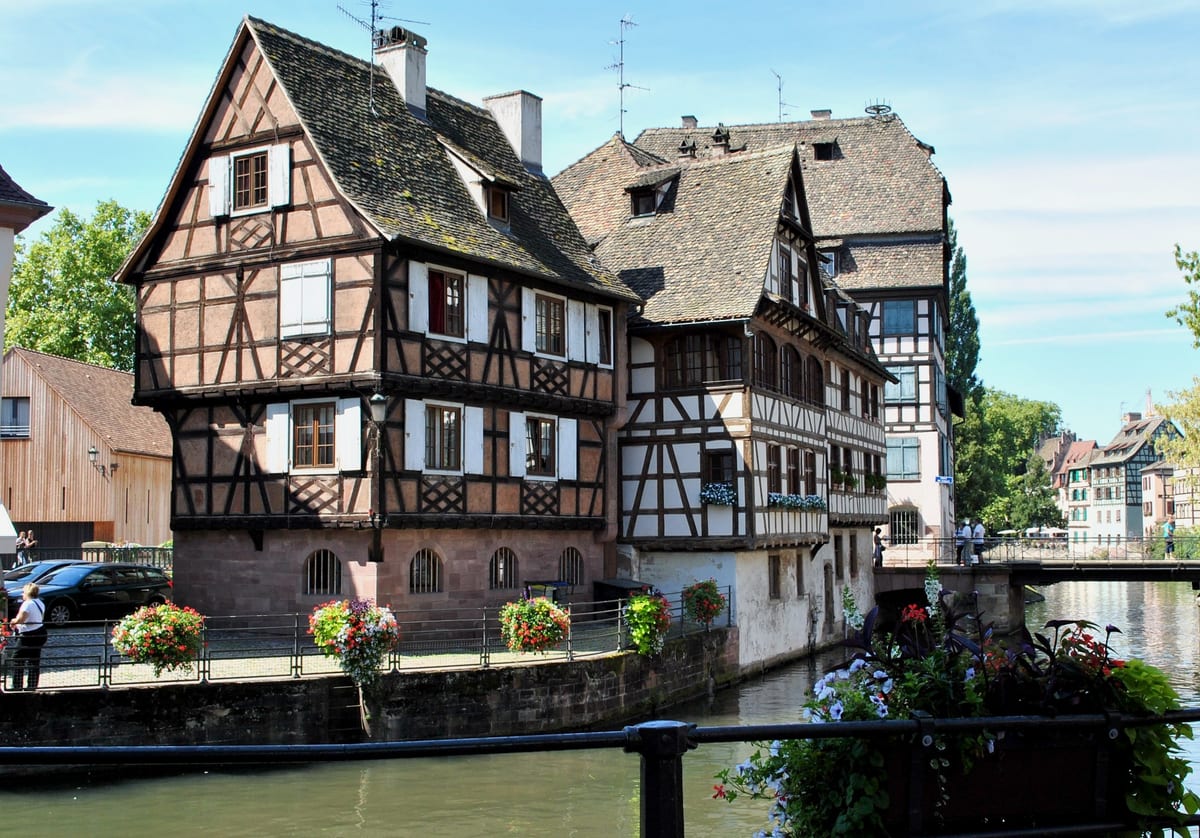
The old tanners’ quarter, canals and locks and steep-roofed houses. It is the photographed part of Strasbourg and it is genuinely lovely, but it is also where every visitor goes at the same hour. Come at eight in the morning or after dinner.
The part most people skip
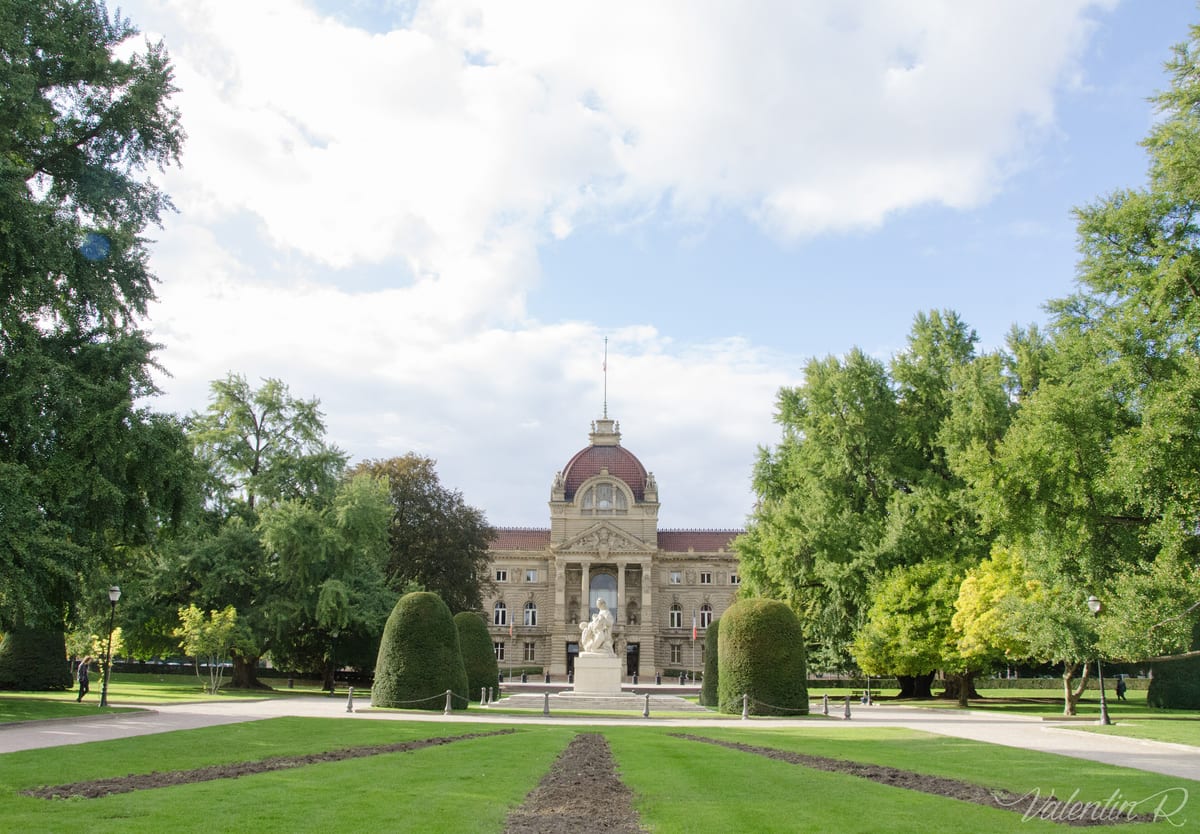
The Neustadt — the German imperial quarter built after 1871, all wide boulevards and monumental stone. It is UNESCO-listed, ten minutes’ walk from the cathedral, and almost empty. It tells you more about what happened to this region than anything on the island does.
Want to map this out for your own dates? Build it in the free planner →
Colmar, and why it is the better base
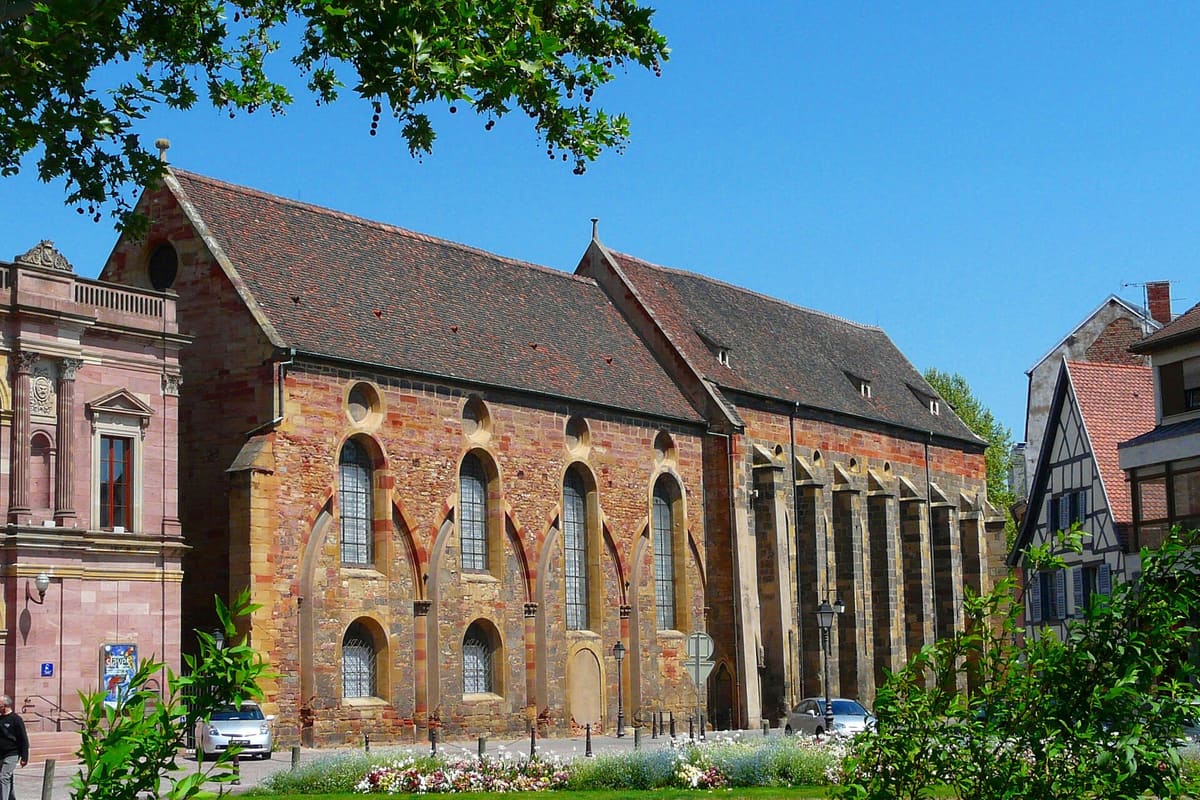
Colmar is Strasbourg at a third of the size and twice the charm. Its old town is built along canals in a quarter called La Petite Venise — half-timbered houses along the water, improbably pretty, and yes, it really does look like that.
Two hours will show you the centre. But the reason to sleep here rather than in Strasbourg is that Colmar sits in the middle of the wine route: Riquewihr is fifteen minutes north, Eguisheim five minutes south, Kaysersberg twenty minutes west. You are never more than half an hour from wherever you are going, and you come back each evening to a town worth coming back to.
The Unterlinden Museum is the one indoor thing worth your time, for the Isenheim Altarpiece. It is a far stranger and more powerful object than a museum visit usually delivers.
The villages, ranked by what they are for
There are a dozen. These four are the ones worth building days around, and they are not interchangeable.
Riquewihr — the intact one
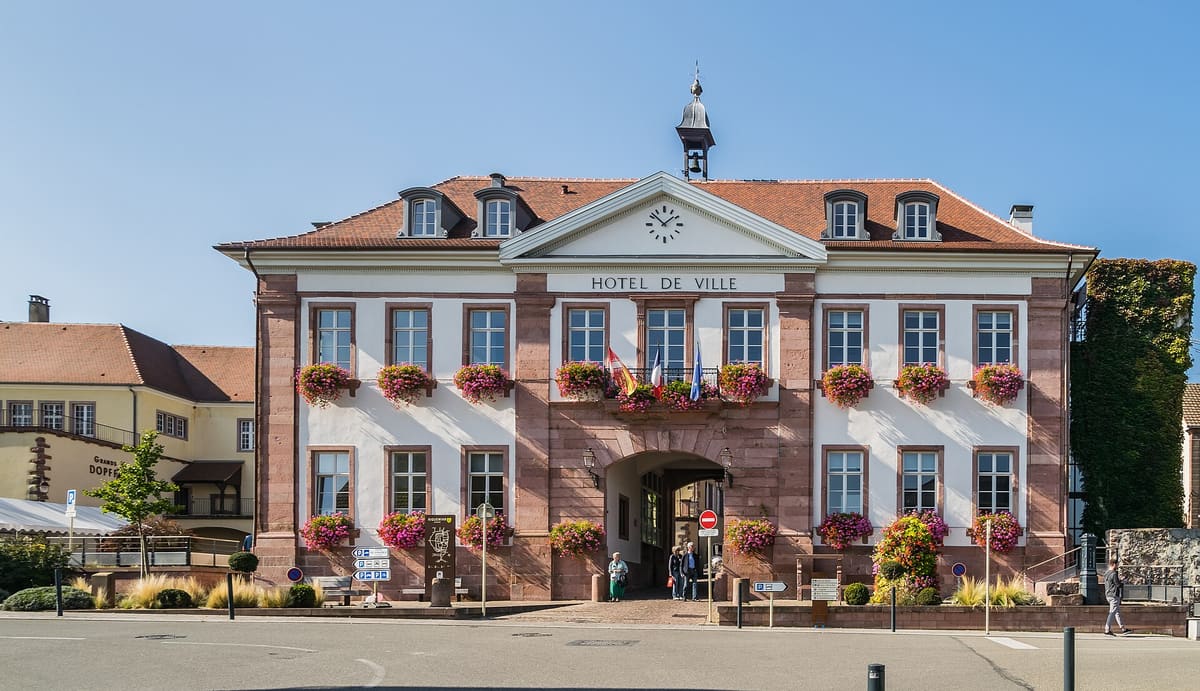
A walled wine village that the wars somehow missed, entirely preserved inside its ramparts. One main street, a gate tower at each end, vineyards starting where the walls stop.
Best in the hour before the shops open. By eleven it is a queue. Ninety minutes is enough if you come early; three hours if you are tasting.
Eguisheim — the circular one
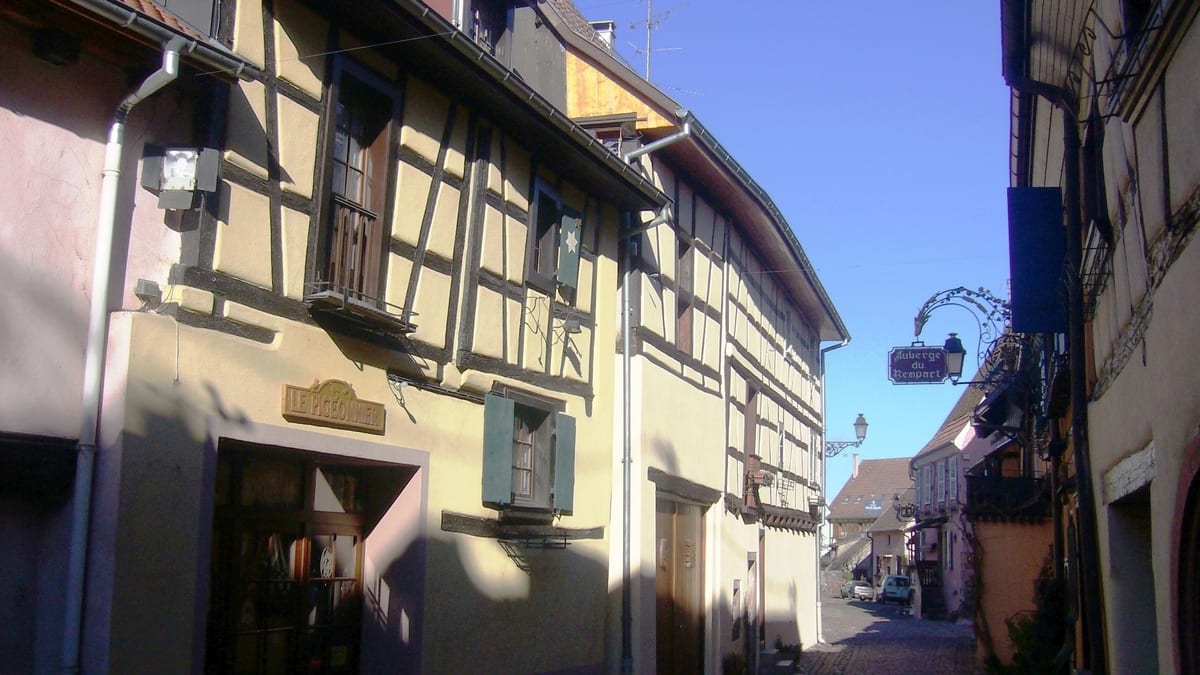
Built as concentric rings around a central château, which makes it quietly disorienting to walk — you keep arriving back where you started, one street further out. Regularly voted among the most beautiful villages in France, and smaller than its reputation suggests. An hour.
Kaysersberg — the lived-in one
The one French people vote for. A ruined castle above, a fortified bridge below, and a high street where the shops still sell things residents need. Half a day with lunch.
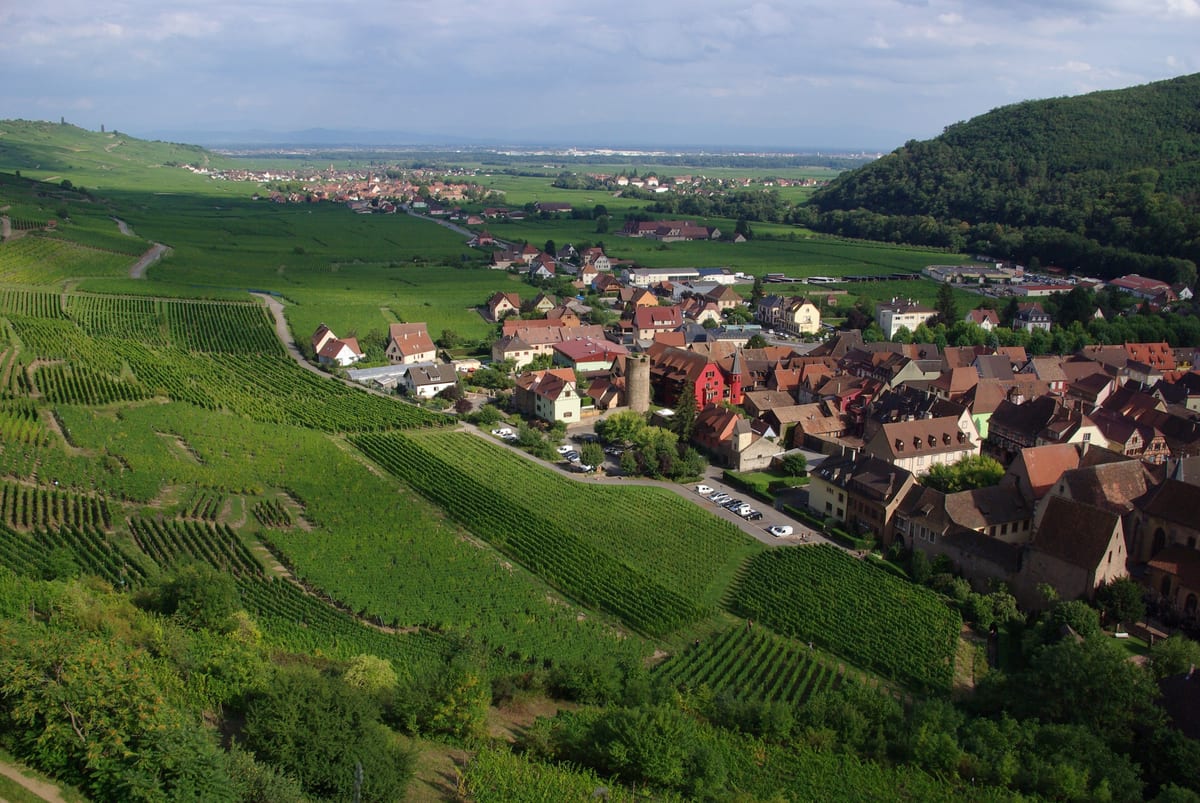
Ribeauvillé — the one with the walk
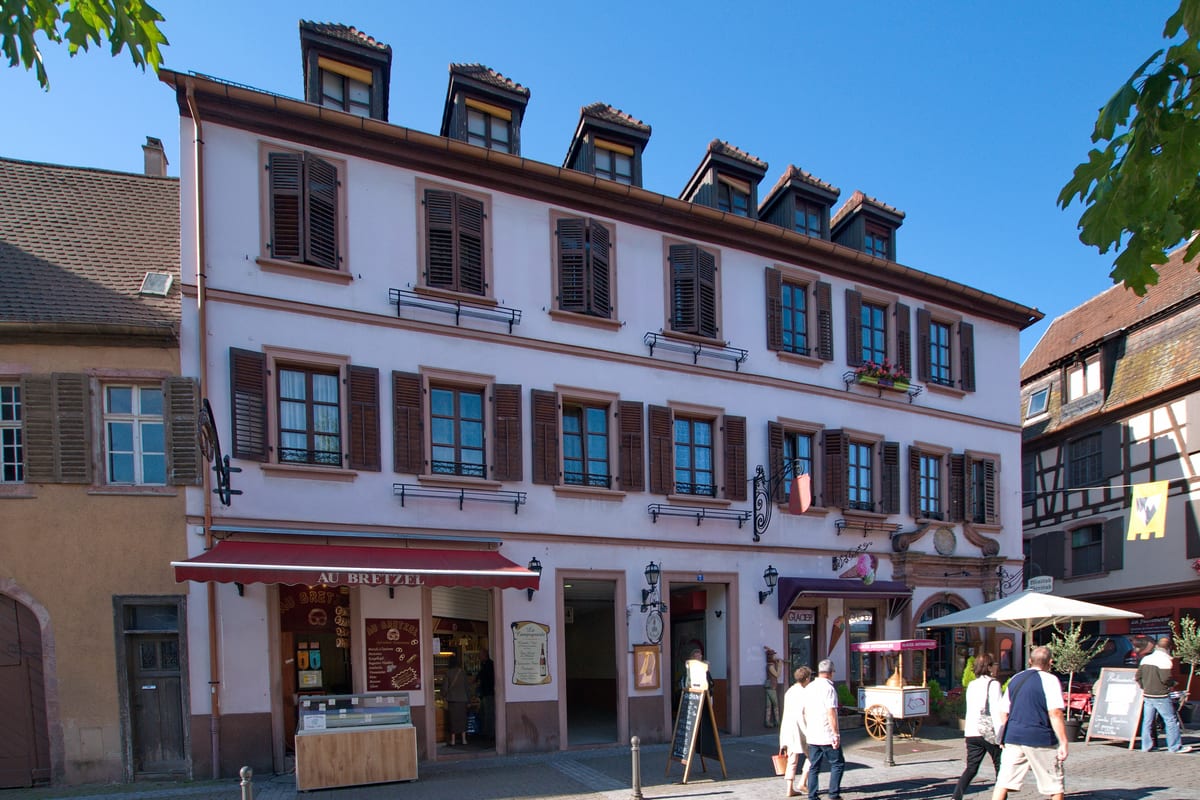
Three ruined castles on the ridge above the village, and a marked path up to them that takes about two hours return. The only one of the four that gives you a reason to put boots on, and the view back over the plain is the best in the region.
The Wine Route, properly
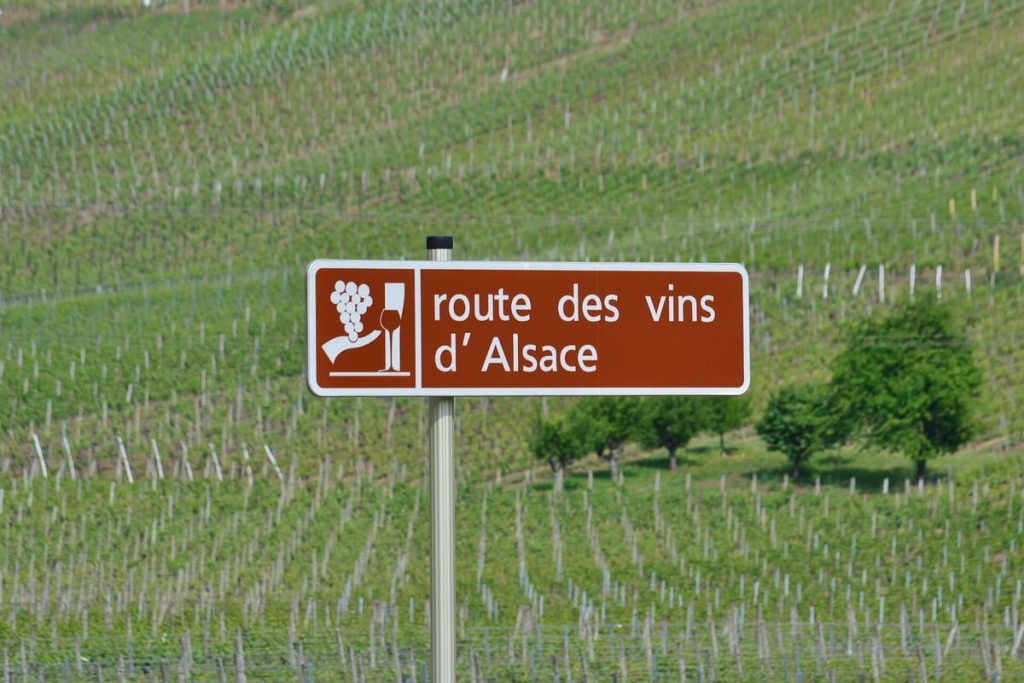
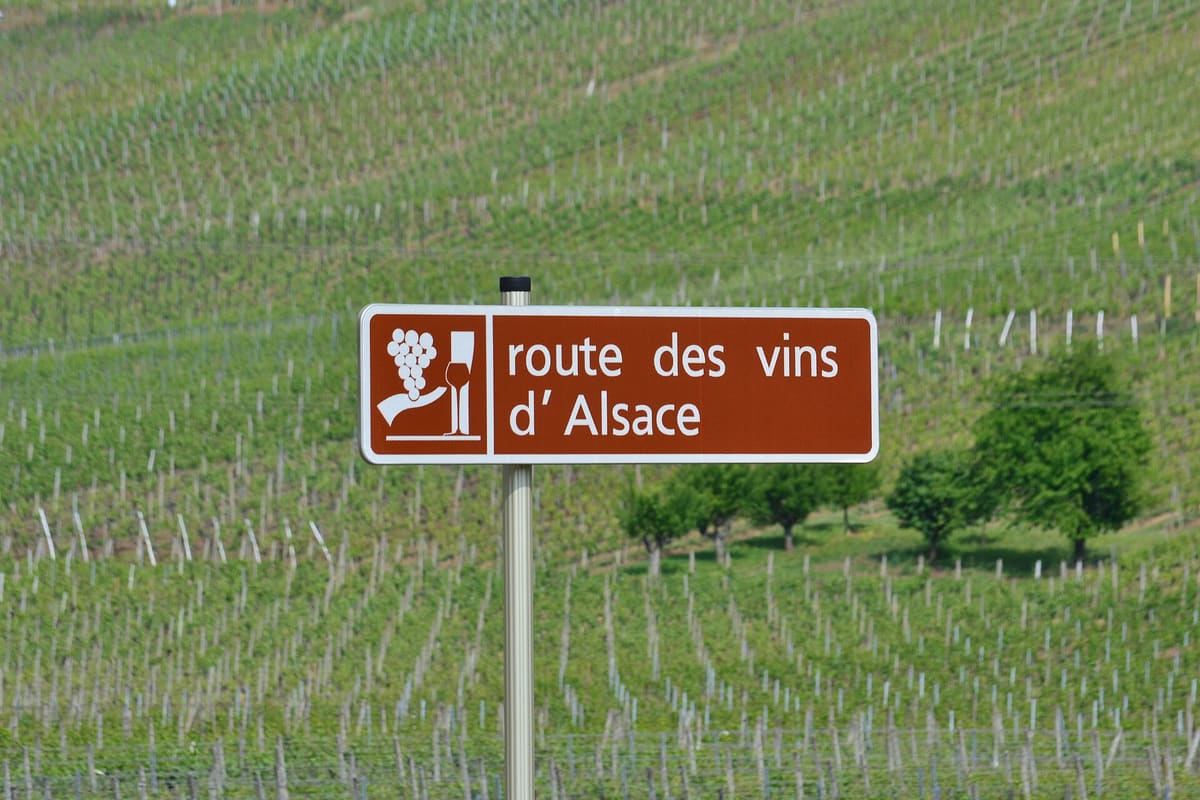
170 kilometres of vineyard road linking the wine villages, from Marlenheim in the north to Thann in the south. You will not drive all of it, and you should not try.
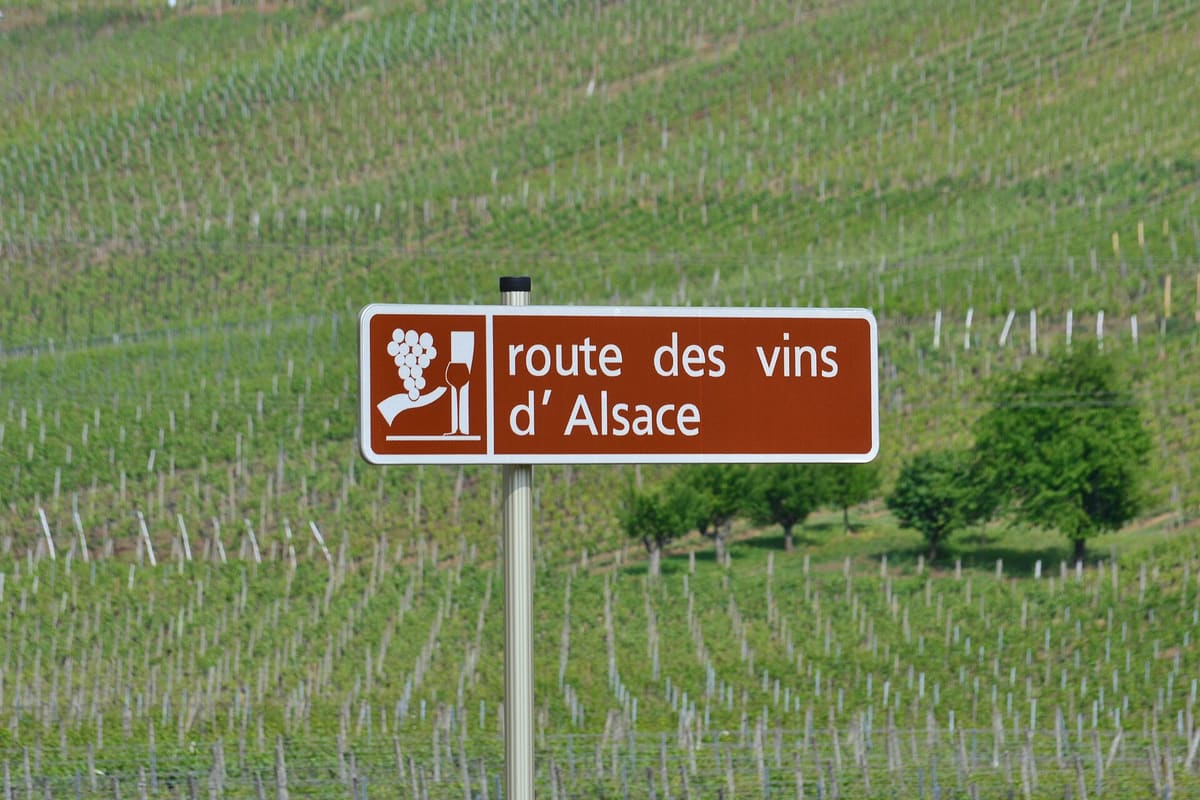
The stretch worth your day is the middle: Ribeauvillé to Eguisheim, about thirty kilometres, taking in Riquewihr, Kaysersberg and Turckheim. That is a full day with three stops and two tastings, and it is unhurried.
What you are tasting
- Riesling — dry, mineral, the region’s serious wine. Nothing like the sweet German bottles the name suggests to American drinkers.
- Gewurztraminer — intensely aromatic, lychee and rose. Divisive, and unforgettable either way.
- Pinot Gris — richer and rounder, the one that handles the region’s heavy food best.
- Crémant d’Alsace — the sparkling wine, made the champagne way at a third of the price. France drinks more of it than it exports.
On drinking and driving: French limits are lower than American ones and enforcement is real. Tastings pour generously. If you mean to taste seriously, park in one village and walk, or settle the driver question before the first cellar.
What to eat
- Flammekueche — thin tart of cream, onion and bacon from a wood oven. Order it to share; nobody finishes one alone.
- Choucroute garnie — sauerkraut slow-cooked in Riesling with several kinds of pork. Enormous, and a winter dish. Do not order it in August.
- Baeckeoffe — a sealed clay pot of three meats and potatoes, marinated overnight. Traditionally left at the baker’s while the family went to church.
- Munster — the local cheese, and it announces itself. Eaten with cumin seeds and a glass of Gewurztraminer.
- Kougelhopf — the ring-shaped brioche you will see in every window, in a mould every Alsatian household owns.
When to go
- May and June — the vines are green, the window boxes are at their best, and the coaches have not arrived. The best months, if you are choosing freely.
- September and October — the vendanges. Villages smell of fermenting grapes and the light turns. Busier than spring but worth it.
- Late November to 24 December — the Christmas markets, which are the most famous in France and change the region completely.
- July and August — hot, full, and the least rewarding. Go elsewhere.
- January to March — quiet and cheap, many village restaurants closed. Lovely if you want the villages to yourself and do not mind bare vines.
Getting there and getting around
By train: Paris to Strasbourg is under two hours on the TGV, and Strasbourg to Colmar another forty minutes. If your trip is Strasbourg and Colmar only, you do not need a car at all.
By car: essential for the villages and the wine route. Pick it up in Colmar rather than at the airport — you will not want it for the city days, and parking inside the old towns ranges from difficult to impossible.
Nearest airports: Basel-Mulhouse is closest to Colmar, Strasbourg has its own, and Frankfurt is often cheaper from North America with a two-hour train connection.
Common questions
How many days do I need in Alsace?
Five is comfortable: two in Strasbourg, two based in Colmar, one on the wine route. Three works if you cut Strasbourg to a day. Beyond seven you are better adding the Vosges mountains than another village.
Is Alsace worth it if I have already seen Provence and the Loire?
More so, not less. Alsace looks and tastes nothing like either — it is the one French region that feels genuinely foreign to the rest of the country, and that contrast is the point.
Do people speak German in Alsace?
French is the everyday language. Alsatian, a German dialect, survives mostly among older people and on street signs, which are bilingual. English is widely spoken in Strasbourg and Colmar, less so in the villages.
Can I do Alsace as a day trip from Paris?
Strasbourg, technically — two hours each way by TGV. But you would see the cathedral and nothing else, and none of the villages, which are the reason to come. Give it three days minimum.
Which village should I choose if I can only visit one?
Riquewihr, early in the morning. It is the most completely preserved, and the hour before the shops open is the version worth having.
Keep reading
- Christmas Markets in France: Alsace and Beyond
- France in Winter: Where to Go
- When to Visit France, Month by Month
Official information and opening times: Visit Alsace.
Free planner
Planning this trip yourself?
Lay out your days, drag in the places worth your time, and see straight away when a day is trying to hold too much. Free, and you don’t need an account to start.

Madison Laffont
Travel planner · Journeasy France
I have lived all over France — I moved my whole life, and every corner of it turned out to be its own place. Travelling once, I met people who were only going to see Paris, and I felt frustrated on their behalf. There is so much more. That is where Journeasy France came from.