
10 Most Beautiful Villages in Dordogne You Must Visit
Plan Your Trip
- First Time in France
- Travel Tips
Itineraries
- France Itineraries
- France Road Trips
Destinations
- Regions of France
- Hidden Gems
Discover the most beautiful villages in Dordogne, from the medieval streets of Sarlat to the cliffside beauty of La Roque-Gageac. A perfect guide to exploring one of the most picturesque regions of Southwest France.
The Dordogne is one of the most enchanting regions in Southwest France. Known for its medieval villages, hilltop castles and breathtaking river landscapes, this area feels like stepping back in time.
Located in the historic region of Périgord, the Dordogne is famous for its stone villages, winding countryside roads and rich gastronomy. Many villages here are listed among Les Plus Beaux Villages de France, and exploring them is one of the highlights of any trip to France.
In this guide, you will discover 10 of the most beautiful villages in Dordogne, each offering its own charm, history and unforgettable scenery.
Map of the Most Beautiful Villages in Dordogne
Interactive map of the most beautiful villages in Dordogne including Sarlat, La Roque-Gageac, Beynac, Domme and Monpazier.
In this guide
1. Sarlat-la-Canéda
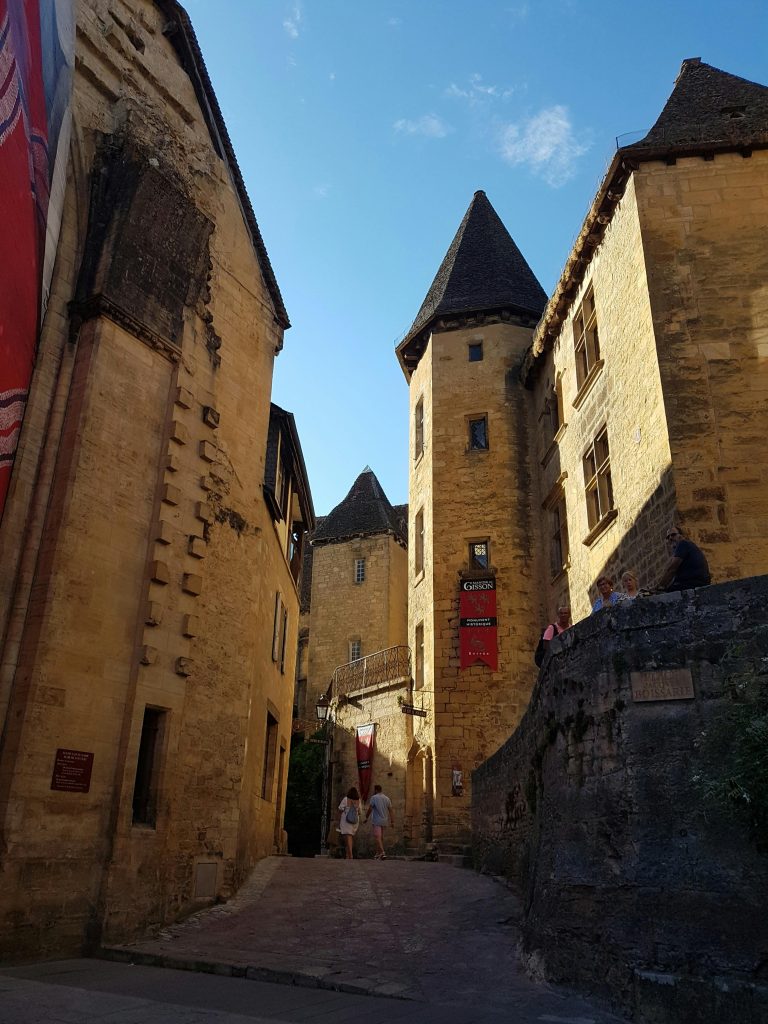
With its warm, golden-hued limestone architecture and impeccably preserved medieval layout, Sarlat-la-Canéda stands as the crown jewel of the Dordogne. Wandering through its labyrinth of narrow, winding alleyways feels like stepping directly into the Renaissance, where every cobblestone square and ornate facade tells a story of centuries past.
✨ Insider Tip: To avoid the midday crowds and truly feel the magic of the town, wake up early and walk the streets just after sunrise, before the market stalls open. For a panoramic view that most tourists miss, follow the signs for the Belvédère de la Basilique—you can take the glass elevator to the top of the Saint-Sacerdos bell tower for a breathtaking look across the historic rooftops.
🧗 Activities:
- Market Exploration: The Saturday morning market is legendary. Don’t just rush through; take the time to chat with the local producers. It is the perfect opportunity to learn about the regional heritage of walnut farming and black truffle harvesting.
- Architectural Walk: Dedicate an afternoon to finding the Maison de la Boétie and the various hidden courtyards; the town is a treasure trove of intricate stone carvings and hidden architectural details that are best discovered at a slow, wandering pace.
🍽️ Where to Eat & Drink:
The « French Moment »: Head to a café on the Place de la Liberté as the sun begins to set. Order a glass of Bergerac wine and a small plate of local cheeses. Watching the golden stone walls transition colors as the light fades is the quintessential Sarlat experience.
Atmosphere: Le Bistro de l’Octroi is a fantastic local institution. It offers a refined yet cozy atmosphere, serving traditional Perigordian cuisine that highlights the very ingredients you’ll find in the local markets, like duck confit and fresh truffles in season.
2. La Roque-Gageac
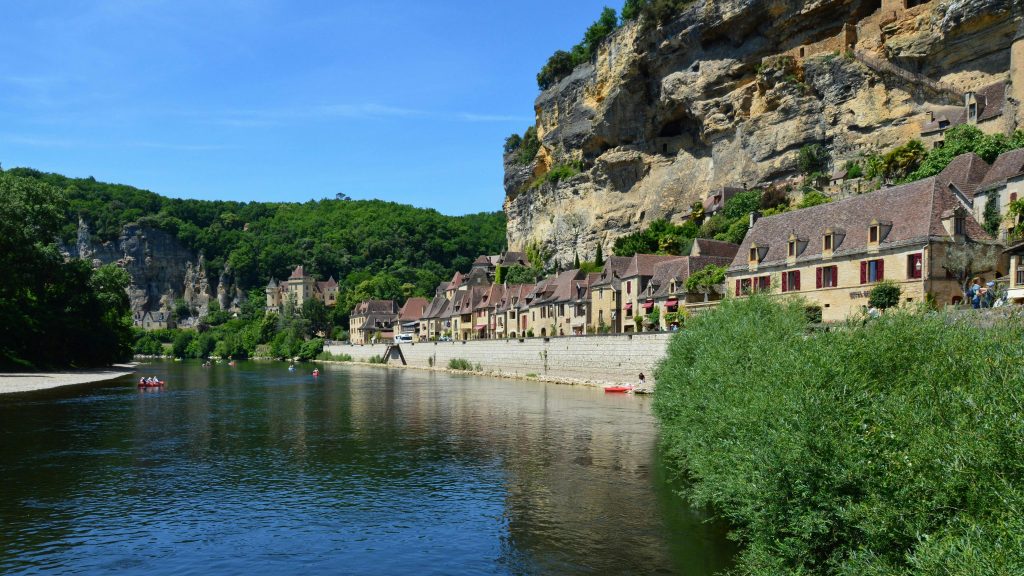
Clinging to the base of a towering limestone cliff that rises abruptly from the banks of the Dordogne River, La Roque-Gageac is a vision of architectural defiance and beauty. Recognized as one of the « Most Beautiful Villages in France, » its honey-colored stone houses seem to grow directly out of the rock, while an unexpected microclimate allows exotic palm trees and lush vegetation to flourish in the heart of the Périgord.
✨ Insider Tip: Most visitors stay on the main riverside road, but the true charm of La Roque-Gageac is found by climbing the steep, narrow staircases that wind up into the « hanging gardens » behind the village. If you reach the upper levels, you will be rewarded with sweeping, quiet views of the river meandering through the valley, far away from the bustle of the riverboats below.
🚣 Activities:
- The Gabarre Experience: You simply cannot leave without taking a trip on a gabarre, a traditional flat-bottomed boat once used to transport goods like wood and wine. Seeing the village’s cliff-side architecture from the water offers a unique perspective on how this community has lived in harmony with the river for centuries.
- Explore the Fortified Troglodytes: Follow the path to visit the remains of the troglodytic fort carved into the cliff high above the village. It is a fascinating (and vertical!) climb that reveals the defensive ingenuity of the medieval inhabitants.
🍽️ Where to Eat & Drink:
The « French Moment »: After a long morning of exploring, find a quiet spot along the riverbank path, away from the tourist boats. Order a local nut-based pastry or a refreshing lemonade from a village café and take in the unique combination of the dramatic limestone cliffs and the lush, tropical greenery that defines this remarkable microclimate.
Atmosphere: La Belle Étoile is a local standout, offering a terrace that provides one of the most stunning river views in the entire region. It is the perfect place to enjoy refined local cuisine while watching the river gently flow by just a few meters away.
3. Beynac-et-Cazenac
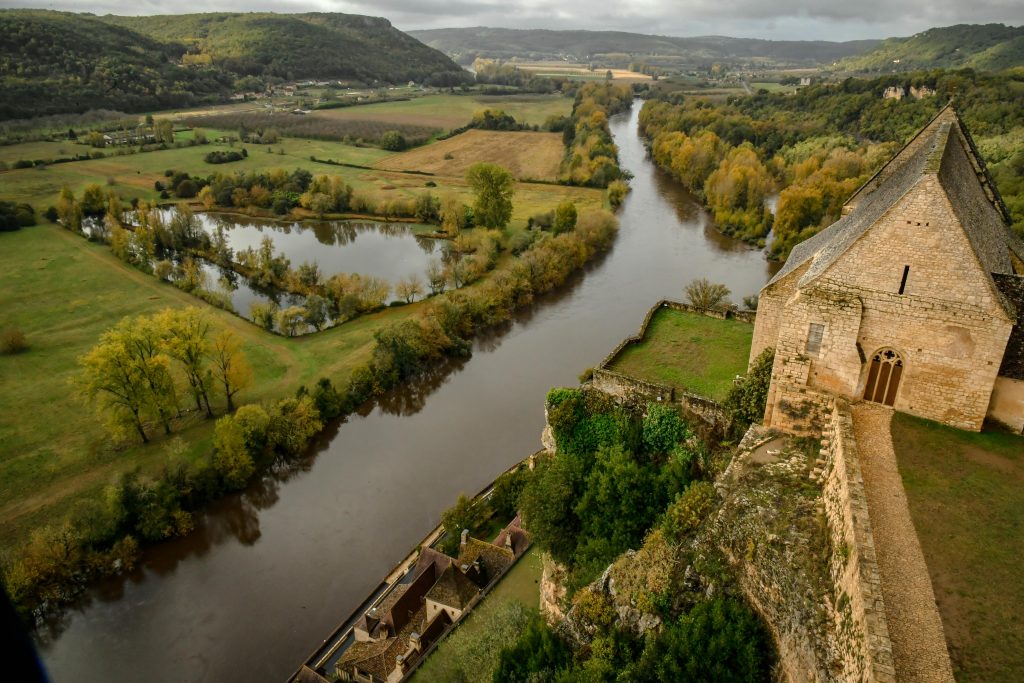
Perched precariously atop a sheer limestone cliff, Beynac-et-Cazenac is dominated by its formidable medieval fortress, which has watched over the Dordogne River for centuries. This village is a masterful example of vertical architecture, where stone houses cling to the cliffside, connected by steep, winding paths that reveal stunning vistas at every turn.
✨ Insider Tip: Skip the main tourist path leading directly to the castle entrance. Instead, spend time getting lost in the « upper village » alleys. You will find ancient, quiet residential streets that remain largely untouched, providing a much more intimate atmosphere than the busy castle grounds.
🏰 Activities:
- Château de Beynac: Visiting the castle is non-negotiable; it is one of the best-preserved feudal strongholds in France. The climb to the top is rewarding not only for the history but for the panoramic views of the river valley below, once disputed by French and English forces during the Hundred Years’ War.
- River Viewpoint: Walk down to the riverside at the base of the village. From here, you can see the imposing silhouette of the castle reflecting in the river, which is arguably the most famous and photographed view in the entire Dordogne valley.
🍽️ Where to Eat & Drink:
The « French Moment »: Find a quiet spot near the river bank in the late afternoon. Grab a coffee or a glass of local wine and simply look up at the castle looming above you. It is a moment of pure, timeless wonder that encapsulates the history of the region.
Atmosphere: La Treille is a charming restaurant that offers a lovely terrace. It is the ideal place to enjoy a relaxed meal featuring local Périgord products while taking in the stunning surroundings of one of France’s most beautiful villages.
4. Domme
Known as the « Acropolis of the Périgord, » Domme is a magnificent bastide (fortified town) perched high on a cliff, offering what is arguably the most spectacular panoramic view of the Dordogne Valley. Unlike the riverside villages below, Domme was built for defense and vantage, with its high ramparts providing a commanding, eagle-eye perspective of the surrounding landscape.
✨ Insider Tip: Most people enter through the main gate, but take a moment to walk along the Promenade des Falaises. This walkway follows the edge of the cliff and offers breathtaking, unobstructed views of the river and the valley floor far below. It is the perfect spot for quiet reflection, especially early in the morning when the valley is often filled with a light, magical mist.
🧗 Activities:
- The Cave of Domme: Right in the heart of the village, you can descend into a massive natural cave system that runs directly beneath the town. It is a surprising and cool escape on a hot day, filled with impressive stalactites and stalagmites.
- Wandering the Bastide: Domme’s layout is a classic grid pattern typical of medieval bastides. Spend time exploring the small, narrow streets—you’ll find beautifully restored stone houses, artisan shops, and hidden gardens tucked behind high walls.
🍽️ Where to Eat & Drink:
The « French Moment »: Find a small table in a quiet corner of the village square, away from the main thoroughfare. Order a glass of local Cahors wine—a robust, dark red wine from the neighboring region—and enjoy the slow, peaceful atmosphere of a town that has remained unchanged for centuries.
Atmosphere: L’Esplanade is an institution here, largely due to its incredible terrace that offers a sweeping view over the valley. It is an ideal spot to enjoy a meal featuring regional specialties like confit de canard, making your dining experience as memorable as the view itself.
5. Castelnaud-la-Chapelle
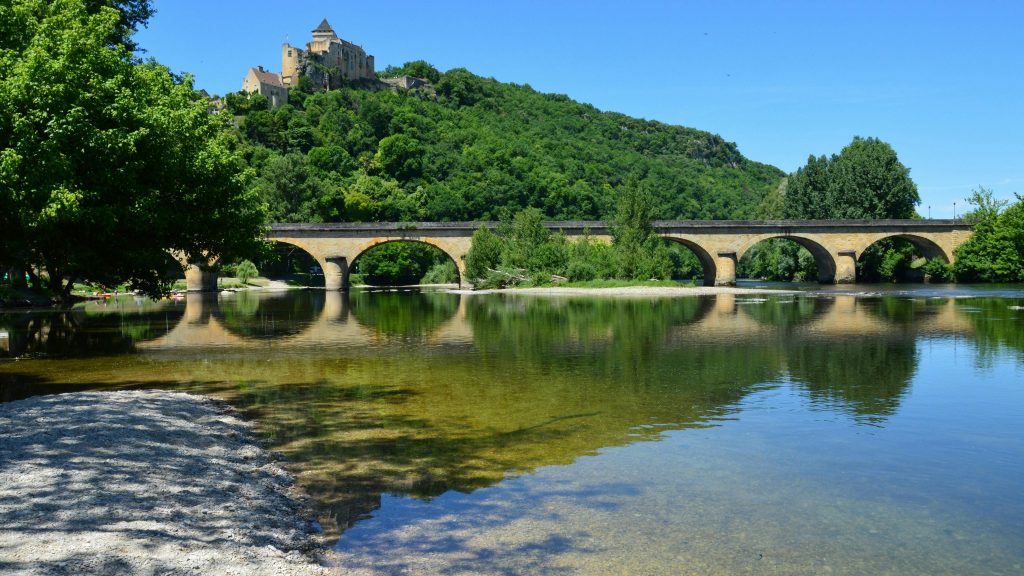
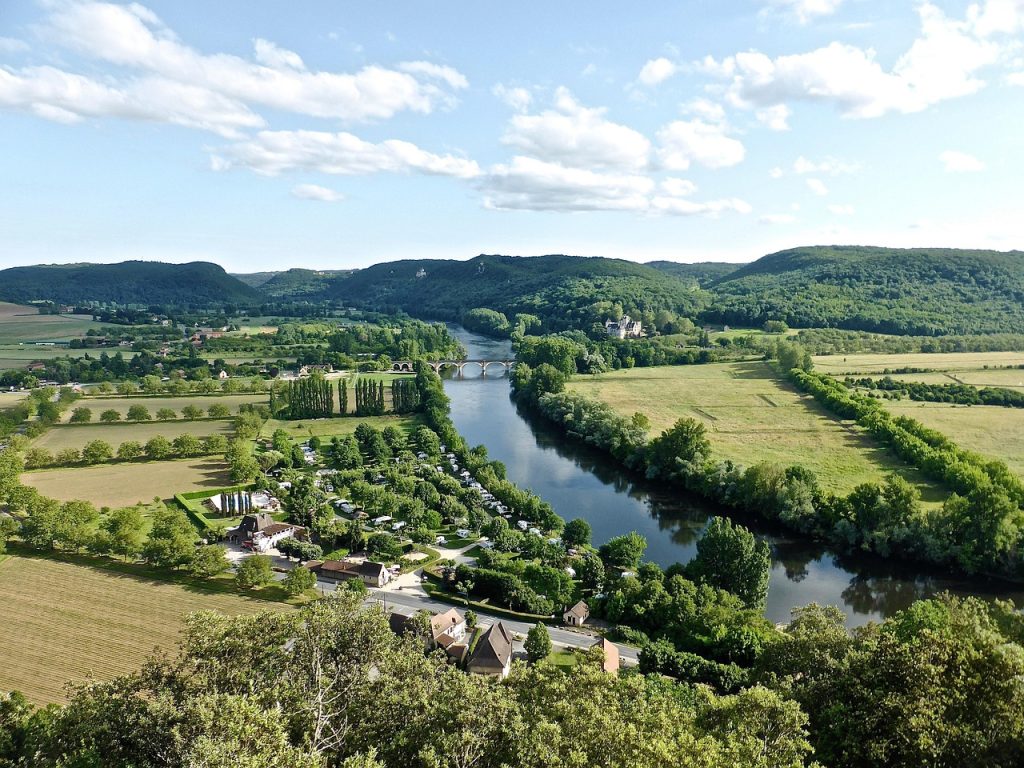
Standing in direct, historic competition with the fortress at Beynac across the river, Castelnaud-la-Chapelle is defined by its massive, imposing château that anchors the village. It is a quintessential medieval site, with narrow, winding streets that climb steeply toward the castle walls, offering a gritty, authentic atmosphere that transports visitors straight back to the days of regional warfare.
✨ Insider Tip: Skip the main entrance road for a moment and take the smaller, steeper lanes that weave through the village houses. You will find small, hidden viewpoints between the stone buildings that look directly across the river toward Beynac. It is the perfect place to appreciate the strategic tension that shaped these two villages over centuries.
🏰 Activities:
- Musée de la Guerre au Moyen Âge: Located inside the Château de Castelnaud, this is one of the most immersive museums in the region. It features a stunning collection of medieval weaponry, including massive, working replicas of trebuchets and mangonels that illustrate the brutal reality of castle sieges.
- The Gardens of Marqueyssac: Just a short drive away (or a challenging hike), these famous hanging gardens offer a dramatic contrast to the stone fortress. The boxwood labyrinths and cliff-top views are among the most famous in France and provide a serene, green escape after exploring the castle.
🍽️ Where to Eat & Drink:
The « French Moment »: Find a quiet spot on a terrace near the base of the village, order a glass of fresh, local walnut wine (a regional specialty), and look up at the castle ramparts against the evening sky. It is a powerful way to end the day, feeling the weight of the history that still permeates the village walls.
Atmosphere: La Cour du Moulin is a lovely spot nestled in the village. It offers a warm, rustic setting where you can enjoy hearty Perigordian dishes. It’s the perfect place to refuel after a steep walk up from the river.
Want to map this out for your own dates? Build it in the free planner →
6. Saint-Léon-sur-Vézère
Tucked into a gentle meander of the Vézère River, Saint-Léon-sur-Vézère offers a serene, almost meditative contrast to the towering fortresses of the Dordogne Valley. With its pale stone houses, ancient church, and lush riverside setting, this village feels like a quiet sanctuary, perfectly embodying the slow, timeless rhythm of life in the Périgord Noir.
✨ Insider Tip: Most visitors focus on the village center, but the true magic happens along the riverbank path that circles the village. If you walk along the water’s edge in the early morning, you’ll often have the entire riverside to yourself, providing a perfect, tranquil view of the village reflected in the calm waters of the Vézère.
🌿 Activities:
- Canoeing the Vézère: This is arguably the best place in the region to rent a canoe. Unlike the busy Dordogne, the Vézère is quieter and winds through a landscape that feels largely untouched, offering a peaceful way to glide past local châteaux and cliffs at your own pace.
- The Manoir de la Salle: Wander toward this beautifully preserved 15th-century manor. While you can admire its elegant exterior and defensive towers, the surrounding parklands offer a quiet, shaded place to appreciate the village’s deep history without the crowds.
🍽️ Where to Eat & Drink:
The « French Moment »: Find a grassy spot on the riverbank with a picnic of local cabécou (a small, fresh goat cheese) and a crusty baguette. Watching the sunlight filter through the trees onto the water is the ultimate way to embrace the « slow travel » vibe that makes Saint-Léon-sur-Vézère so special.
Atmosphere: Le Petit Léon is a delightful spot that captures the village’s relaxed spirit. It offers simple, fresh, and creative cuisine in a welcoming setting, often utilizing seasonal products from the surrounding countryside—perfect for a slow, unhurried lunch.
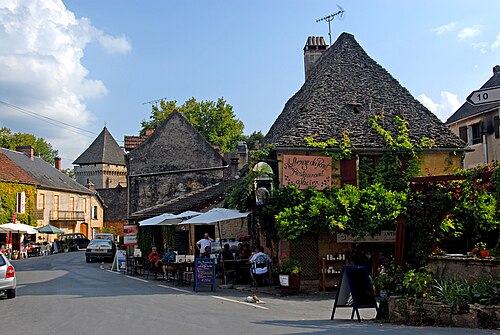
7. Limeuil
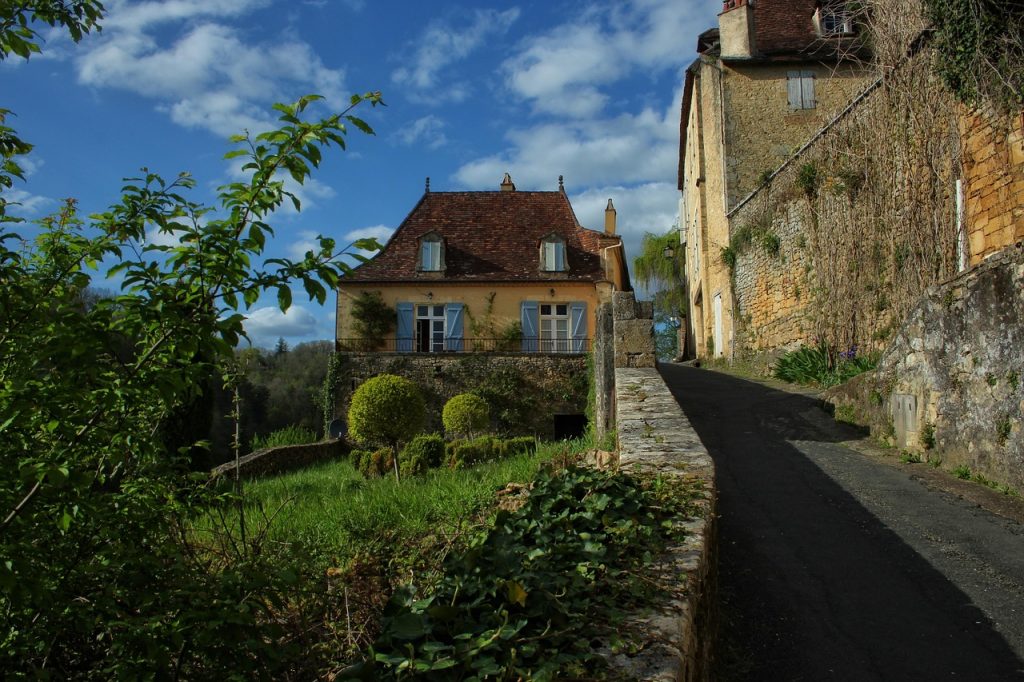
Situated at the spectacular confluence where the turquoise Vézère River flows into the majestic Dordogne, Limeuil is a village of exceptional character. Built on a steep hill, its winding, narrow streets are lined with traditional stone houses, all leading upward toward a site that has been fortified since pre-Roman times.
✨ Insider Tip: Do not stop at the riverbank parking. Climb the steep, winding streets to the very top of the village to reach the Jardins Panoramiques de Limeuil. This beautifully landscaped park is built on the ruins of an ancient castle and offers, without doubt, the finest 360-degree panoramic view of the two rivers meeting below.
🌿 Activities:
- The Panoramic Gardens: Spend a few hours exploring these botanical gardens. They provide a unique mix of historical discovery and botanical learning, with various trails that educate visitors on the river environment and the local landscape.
- Riverside Leisure: Since Limeuil sits at the junction of two major rivers, the beaches at the water’s edge are excellent for a cooling dip in the summer. It is a popular spot for local families and a wonderful place to watch the canoes drifting by.
🍽️ Where to Eat & Drink:
The « French Moment »: After your climb to the top of the village, find a shaded bench in the Panoramic Gardens. Take a moment to enjoy a glace artisanale (artisanal ice cream) from a local shop while looking down at the point where the two rivers merge. It is a serene scene that perfectly captures the beauty of the Dordogne Valley.
8. Belvès
Perched high on a rocky promontory overlooking the Nauze Valley, Belvès is a remarkable medieval town often called the « town of seven bell towers. » Its unique history is etched into its very foundations, characterized by a complex network of underground dwellings and a beautifully preserved covered market square that has served as the heart of the community for centuries.
✨ Insider Tip: Don’t miss the opportunity to explore the Habitations Troglodytiques located right under the main square. These ancient underground dwellings were used by residents for protection and storage throughout the Middle Ages, offering a fascinating and slightly eerie glimpse into the lives of the people who built this hilltop stronghold.
🏰 Activities:
- Historical Discovery: Spend time wandering the Place des Armes. This central square is dominated by a 15th-century covered market, which is still a hub of activity and an architectural highlight of the village.
- Valley Views: Because of its elevated position, the town offers several points along the old ramparts where you can look out over the lush, green Nauze Valley. It is a peaceful spot to appreciate the strategic geography that made Belvès a key stronghold in the region.
🍽️ Where to Eat & Drink:
- The « French Moment »: Grab a coffee at a small table under the arches of the covered market. Watching the local life move through the square—much as it has done for hundreds of years—is the perfect way to feel the quiet, enduring spirit of Belvès.
9. Monpazier
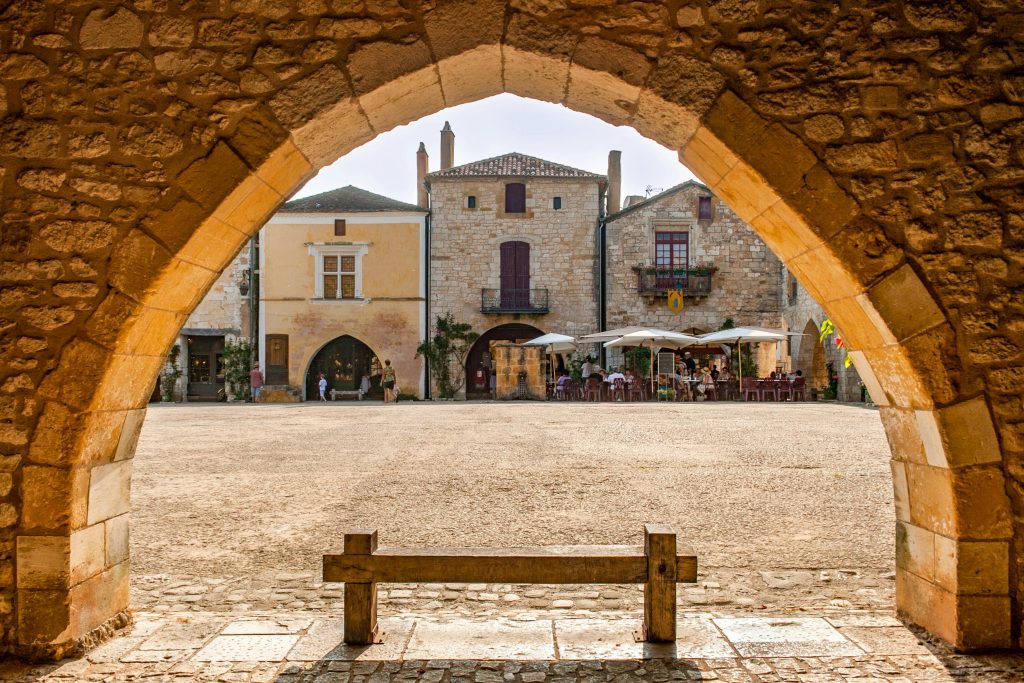
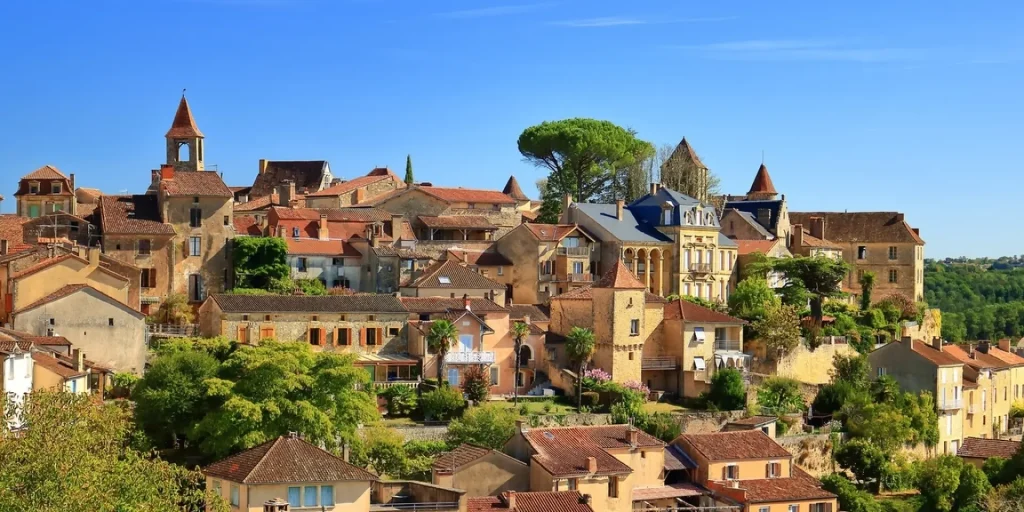
Often cited as the most perfect example of a medieval bastide in all of France, Monpazier was founded in 1284 by the King of England (who was also the Duke of Aquitaine at the time). Its layout is a masterclass in geometric precision, featuring a perfectly rectangular grid of streets that has remained virtually unchanged for over 700 years.
✨ Insider Tip: Skip the main parking areas outside the walls and enter the town through one of the ancient fortified gates. Once inside, head directly to the Place des Cornières. This central square is surrounded by original stone arcades and is arguably the most beautiful and authentic medieval square in the entire Dordogne, providing a calm, historic atmosphere that feels completely untouched by the modern world.
🏰 Activities:
- The Bastide Walk: Take a self-guided walking tour along the original grid pattern of the streets. You will find that nearly all the houses are preserved in their medieval style, and you can still see the original « eysses »—narrow alleyways between houses designed to prevent fire from spreading.
- Arts and Crafts: Monpazier is famous for its vibrant community of local artisans. Spend an afternoon browsing the various workshops, including glassblowers, leather workers, and painters, who maintain the traditional crafts that have been central to this market town’s identity for centuries.
🍽️ Where to Eat & Drink:
The « French Moment »: Treat yourself to a local walnut tart at a café on the Place des Cornières. As you enjoy the architecture of the arcades, take a moment to imagine the centuries of merchants and townspeople who have stood on the exact same spot. It is a simple, profound way to connect with the deep history of the village.
Atmosphere: Privilège du Périgord is a fantastic choice located right near the main square. It offers a relaxed, welcoming environment where you can enjoy traditional regional dishes. Sitting under the covered walkways of the square, watching the world go by, is the quintessential way to experience Monpazier.
10. Collonges-la-Rouge
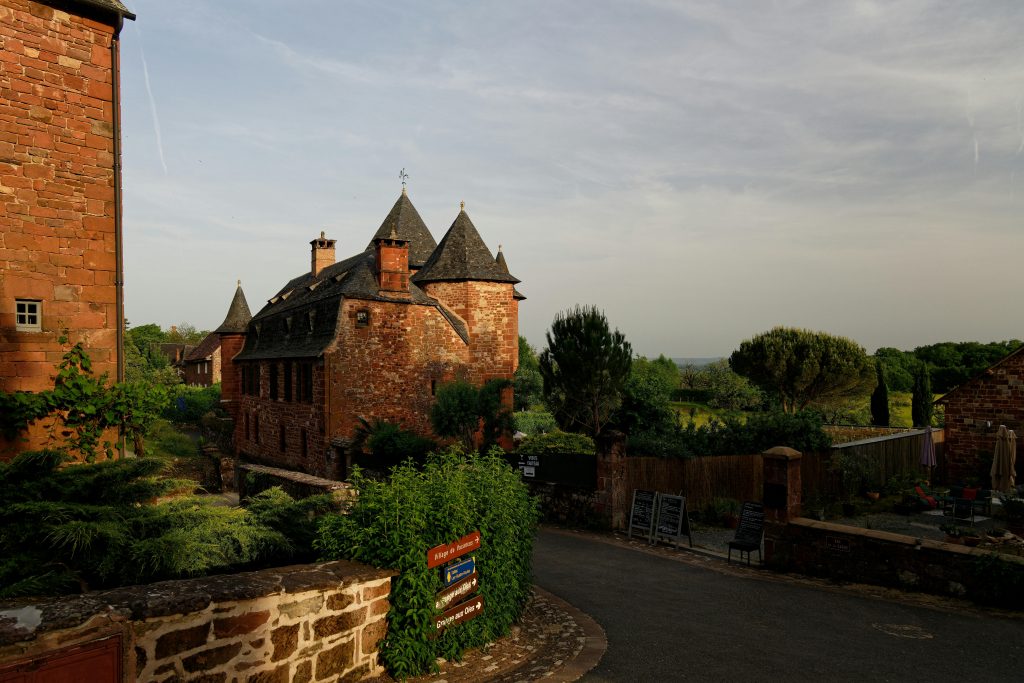
Though technically located just across the border in the neighboring Corrèze department, Collonges-la-Rouge is so inextricably linked to the Dordogne travel experience that no list would be complete without it. This village is absolutely striking, built almost entirely from deep-red sandstone (grès rouge). The vivid, fiery color of the stone against the lush green countryside makes it look as if it were plucked straight from a fairytale.
✨ Insider Tip: To really appreciate the unique color of the village, plan your visit for the « golden hour » just before sunset. The red sandstone intensifies in the dying light, creating an incredible, glowing effect that makes for world-class photography. Also, look closely at the architecture—you will spot many elaborate turrets and fortified manor houses that showcase the wealth of the local merchants who once dominated this town.
🏰 Activities:
- Wander the « Village of 25 Towers »: Collonges is famous for its concentration of towers and turrets. Take the time to walk every corner of the village; it’s small, but every turn reveals another beautifully preserved noble house or ornate defensive tower.
- Artisan Trails: The village is a haven for local artists. Visit the various boutiques and workshops hidden behind the red stone walls, where you can find everything from handmade pottery to local artwork inspired by the village’s unique palette.
🍽️ Where to Eat & Drink:
The « French Moment »: Sit at a café table in the main village square, surrounded by the towering red stone walls. Order a Kir (a classic French aperitif made with crème de cassis and white wine) and simply enjoy the surreal, vibrant colors of the village around you. It is a visually arresting, unforgettable end to your tour of these beautiful historic sites.
Atmosphere: Le Cantou is a lovely establishment that perfectly embodies the rustic charm of the region. It offers a warm atmosphere where you can enjoy traditional, hearty cuisine. It is a fantastic place to experience the hospitality of the Limousin/Périgord border region.
Tips for Visiting the Villages of Dordogne
Planning your first trip to France is exciting, and this itinerary offers a great introduction to the country.
Here are a few tips to make the most of your journey:
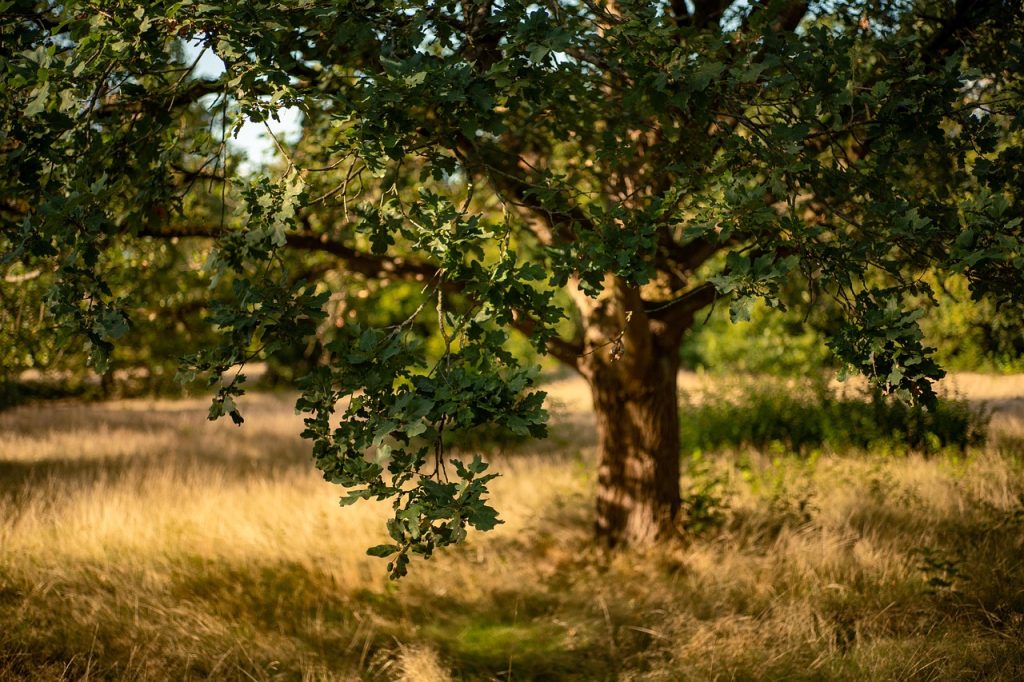
Early morning and evening are the best times to avoid crowds.
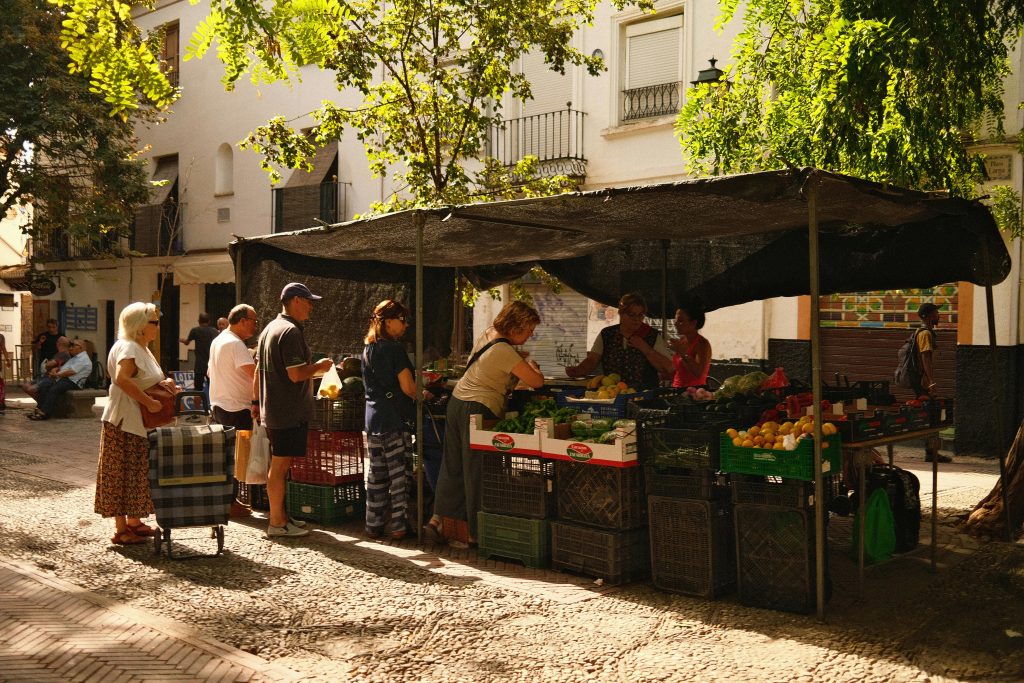
Don’t miss the local markets, which are famous throughout the region.
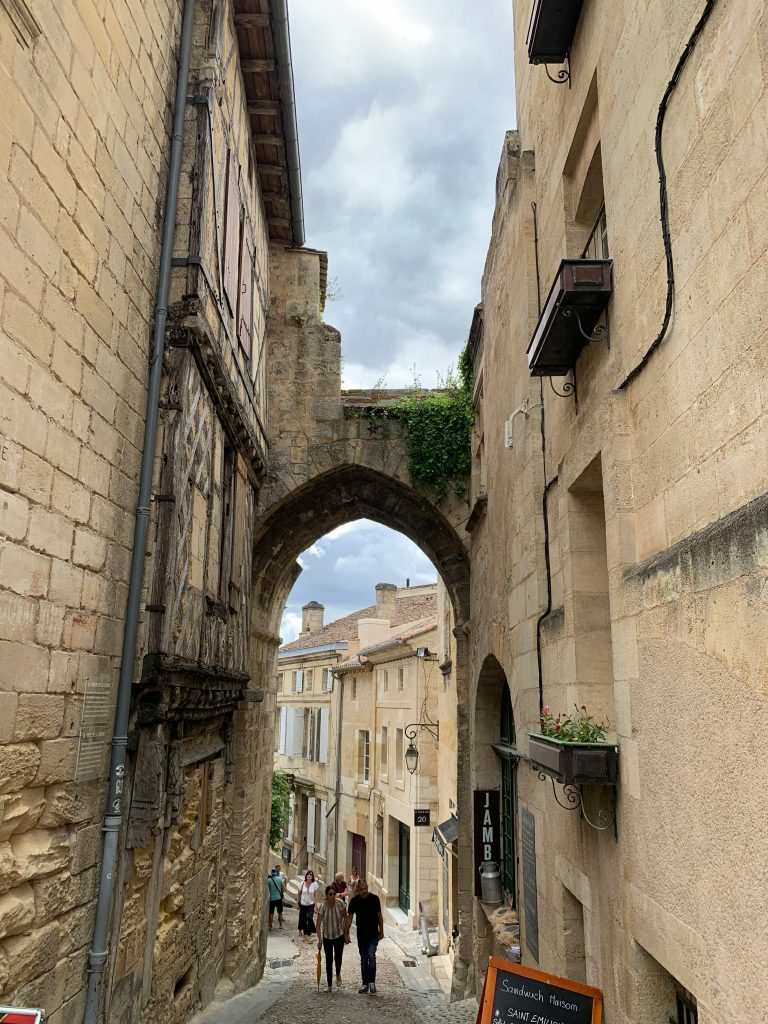
Plan at least 3 to 5 days to visit several villages.
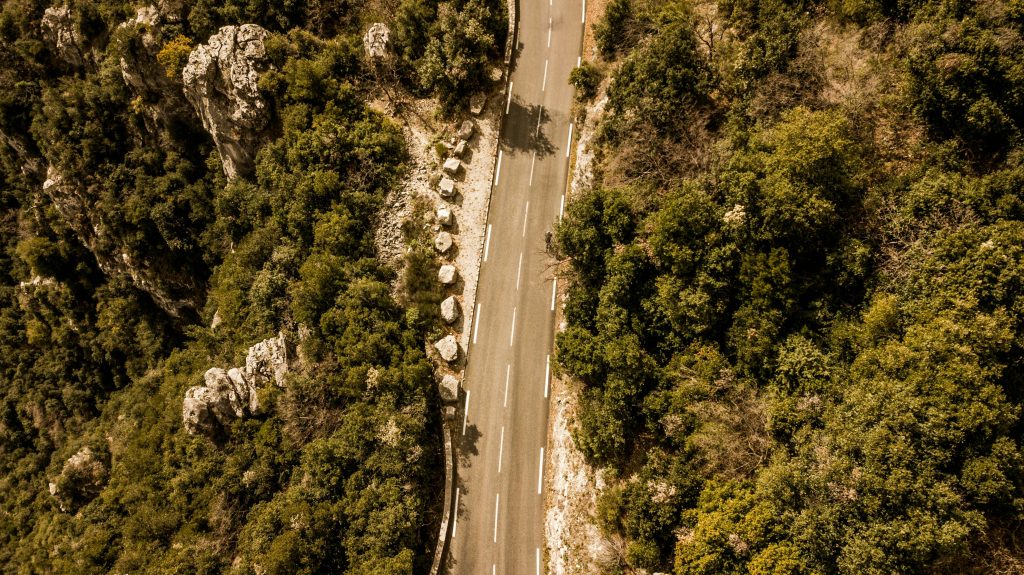
The best way to explore the Dordogne is by car.
Free planner
Planning this trip yourself?
Lay out your days, drag in the places worth your time, and see straight away when a day is trying to hold too much. Free, and you don’t need an account to start.

Madison Laffont
Travel planner · Journeasy France
I have lived all over France — I moved my whole life, and every corner of it turned out to be its own place. Travelling once, I met people who were only going to see Paris, and I felt frustrated on their behalf. There is so much more. That is where Journeasy France came from.
Planning a Trip to France
France has so many incredible regions and hidden gems that planning the perfect itinerary can quickly become overwhelming.
If you’d like help creating a personalized route so you don’t miss the best places in France, I offer travel planning services tailored to international travelers looking for a seamless and memorable trip.